05:42
Serving Up Science
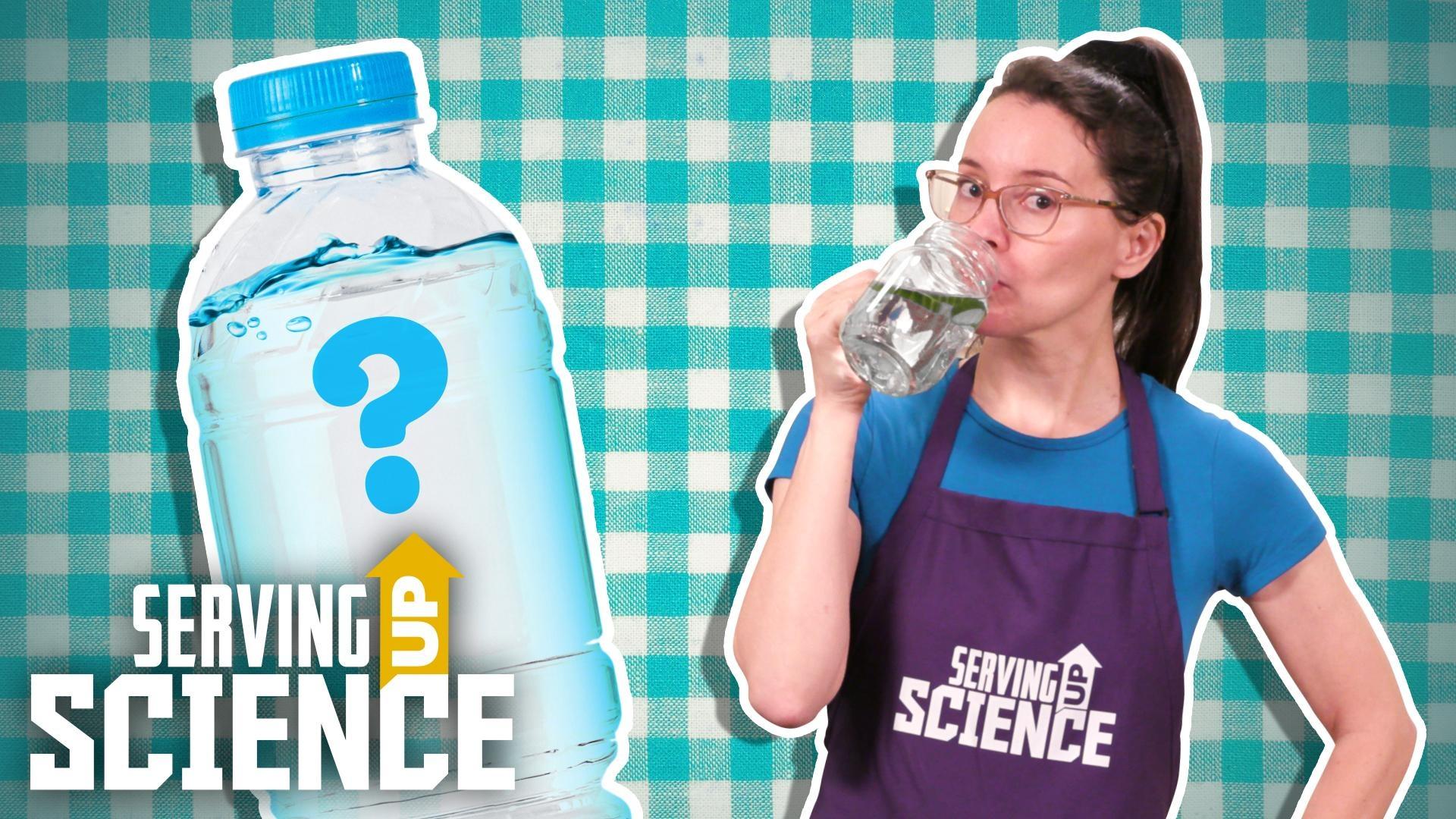
Why Does Water Taste Different?
Bottled, tap, or purified—water has its own unique flavor! But why?
Broadcast Outage: We’re investigating a broadcast transmission failure affecting the San Luis Valley from Antonito in the south to Salida in the north. We’re working to resolve this issue. You can stream our live broadcast online or via the RMPBS+ App.

Help tell more stories in 2026 - make a year-end gift!


Serving Up Science is hosted by history buff, science writer and foodie Sheril Kirshenbaum, who will give you science-backed tips to make your favorite foods even better. Farmed or Wild? Why does cheese stink? Why should meat rest? Explore these questions and more.
Peppers & Pain: The Spicy Science
Season 5 Episode 4 | 6m 12s | CC
Ever wondered why spicy foods make your mouth feel like it's on fire? The answer lies in a chemical compound called capsaicin. When you eat hot peppers, capsaicin interacts with pain receptors in your mouth, tricking your brain into thinking your body is in pain. This reaction is the reason why spicy foods can feel so intense, and it’s the science of heat and pain in action.
Subscribe to Our Newsletters
Get trusted Colorado stories, programs, and events from Rocky Mountain PBS straight to your inbox.