New report shows pine beetle devastation surging in Colorado's forests

An outbreak of the mountain pine beetle is spreading quickly and expected to continue this summer under “prime conditions,” according to a 2025 forest health report and pine beetle article released this month by the Colorado State Forest Service.
Survey flights over parts of nine Colorado counties showed a 148% increase in beetle-impacted acreage from 2024 to 2025.
Observers recorded 5,544 acres of dead or dying trees during flights last year, up from 2,236 acres the year prior.
At 5,544 acres, the impacted lands amount to a bit less than the town of Golden (6,200 acres), or approximately 370 Empower Field at Mile High stadiums.
Not only the volume but the distribution is keeping foresters up at night, as victimized trees were observed at nearly every Colorado latitude, from the northern border to Pueblo in the Front Range, and Grand Junction to the southern border on the Western Slope.
“Pockets of mountain pine beetle activity are well distributed across forests in this area as shown in this map, raising concerns for widespread mortality as these pockets expand,” the forest report reads.
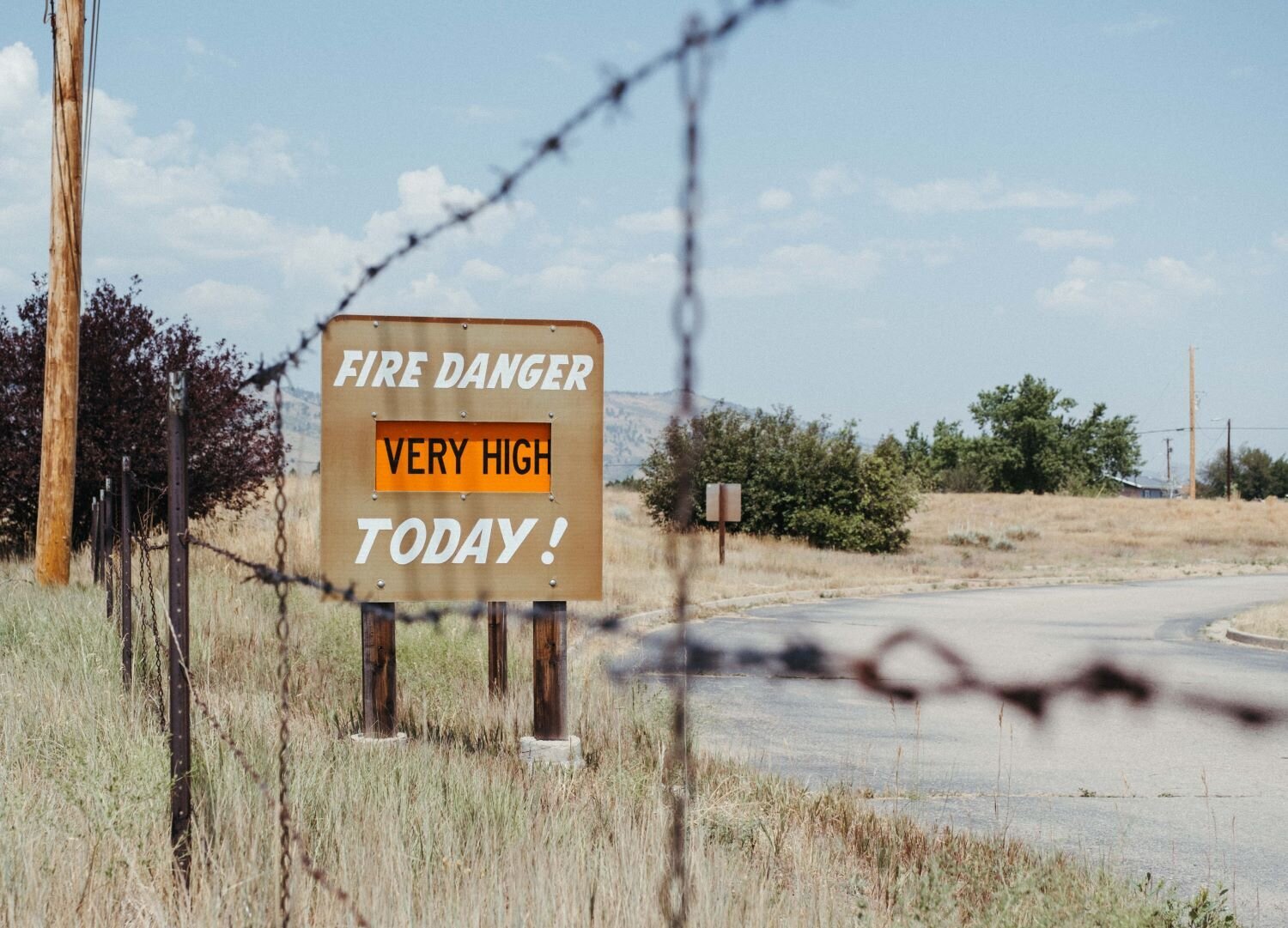
As of May 29, the state's snowpack stood at 15% of median, depriving forests of moisture needed to prevent both wildfires and the spread of the pine beetle. The growing pine beetle outbreak, which the report identified as Colorado’s top insect forest health concern, could add fuel to the already high potential for wildfires this summer.
Pine beetles kill trees, and the more dead trees there are in Colorado forests, the more fuel there is available for wildfires. Even without contributions from beetles, the current wildfire outlook is concerning, with much of Colorado’s forestland categorized as a high burn probability.
In the pine beetle article, CSFS fire mitigation specialist Chad Julian emphasized that even with beetles present, it’s still weather that’s the primary driver of wildfires. However, beetle-killed trees that still have red needles can help fires spread among their canopies.
“When these weather and climate conditions align with red needles in the canopy, the change to crown fire risk is clear—it increases,” Julian wrote. “There are lower thresholds for ignition and spread due to lower fuel moisture content in the red needles.”
Complicating the effort by CSFS to understand this outbreak is its reliance on aerial surveys done in collaboration with the US Forest Service. Because of a combination of limited aircraft availability, staff and funding, the agencies surveyed 13.4 million acres last year, down from nearly 30 million acres in 2024, according to the CSFS.
That reduction in surveying, down to about half of the state’s forested lands, means that the data from 2025 flights offers a less-complete picture of the pine beetle outbreak.
“Given decreased spatial coverage and detection resolution, data from last year’s aerial survey should be interpreted with caution. The dataset represents a lower-resolution snapshot of forest conditions and likely underrepresents the full extent and distribution of forest health impacts across the state,” the 2025 forest report said.
Much like wildfires, mountain pine beetles thrive in dry and hot weather, which dehydrates a tree and weakens its ability to defend against the bingeing bugs with resin and other mechanisms. The beetles devour trees and spread a fungus, both of which starve the trees by preventing the distribution of critical nutrients and typically kill the tree within a year.
Low water availability lessens an individual tree’s ability to avoid the beetle dinner menu and weakens swaths of forest in aggregate, making it easier for the beetles to spread.
This year, Colorado’s warmest winter on record served ponderosas on a platter to beetles.
“Ponderosa pine forests at lower elevations will lack critical early season moisture and likely be stressed by drought. Coupled with the fact that forests on the Front Range are stocked with many trees that are susceptible to attack, the outbreak is likely to continue,” according to CSFS.
There are already signs that the staggering warmth has lent the beetles a wing. Typically, the beetles take flight between July 15-Sept. 15, when they look for host trees to bore into.
But the beetles have been observed in late larval stages in May, which means they could take flight in mid-June, a full 2-4 weeks earlier than normal — more time to hit the ponderosa buffet.
The warmer winter also means that more beetles probably survived the season, giving them a bigger standing army to attack forests with this year.
Mountain pine beetles, which are native to Colorado, contribute positively to forests by consuming unhealthy trees, allowing for younger, healthy trees to grow instead. However, beetles can still attack healthy trees and cause a forest’s integrity to rapidly deteriorate, especially when forests are denser than they should be due to fire suppression and stressed by drought.
Pine beetles eviscerated 3.4 million acres of Colorado forests during a two-decades-long epidemic that began in the late 1990s and ended in 2013. The affected acreage is about the size of the entire state of Connecticut, or 14% of all forested land in Colorado. Large amounts of precipitation that led to flooding in the early 2010s helped stop the last outbreak in 2013.
The beetles bleached iconic parts of the state’s scenery and killed trees at the center of the two biggest wildfires in state history that both happened in 2020, the East Troublesome and Cameron Peak fires.
That outbreak spread mostly among lodgepole pines at higher elevations. This outbreak is making its way through lower-elevation ponderosa pines.
Despite the beetles and drought, there is some cause for optimism.
At a May 19 Water Conditions Monitoring Committee meeting, Colorado Climate Center engagement climatologist Allie Mazurek said that the likelihood for an El Niño weather pattern forming this year increased to 82%, and that models indicate a strong monsoon in addition to that. El Niño usually brings “wetter than normal conditions” when it forms, especially for southern Colorado.
A summer of precipitation could weaken the conditions for wildfires and lessen their severity. As for beetles, it typically takes multiple years of high moisture to stop a beetle outbreak.
“Trees will need several years of adequate precipitation and lower temperatures to recover their defenses and regain their health, so they can ward off attack from bark beetles and other forest pests,” according to the 2025 forest health report.
Based on facts, either observed and verified firsthand by the reporter, or reported and verified from knowledgeable sources. To read more about why you can trust the journalism of Rocky Mountain PBS, please visit our editorial standards and practices page.