New bill makes it easier for out-of-state teachers to obtain Colorado teaching licenses

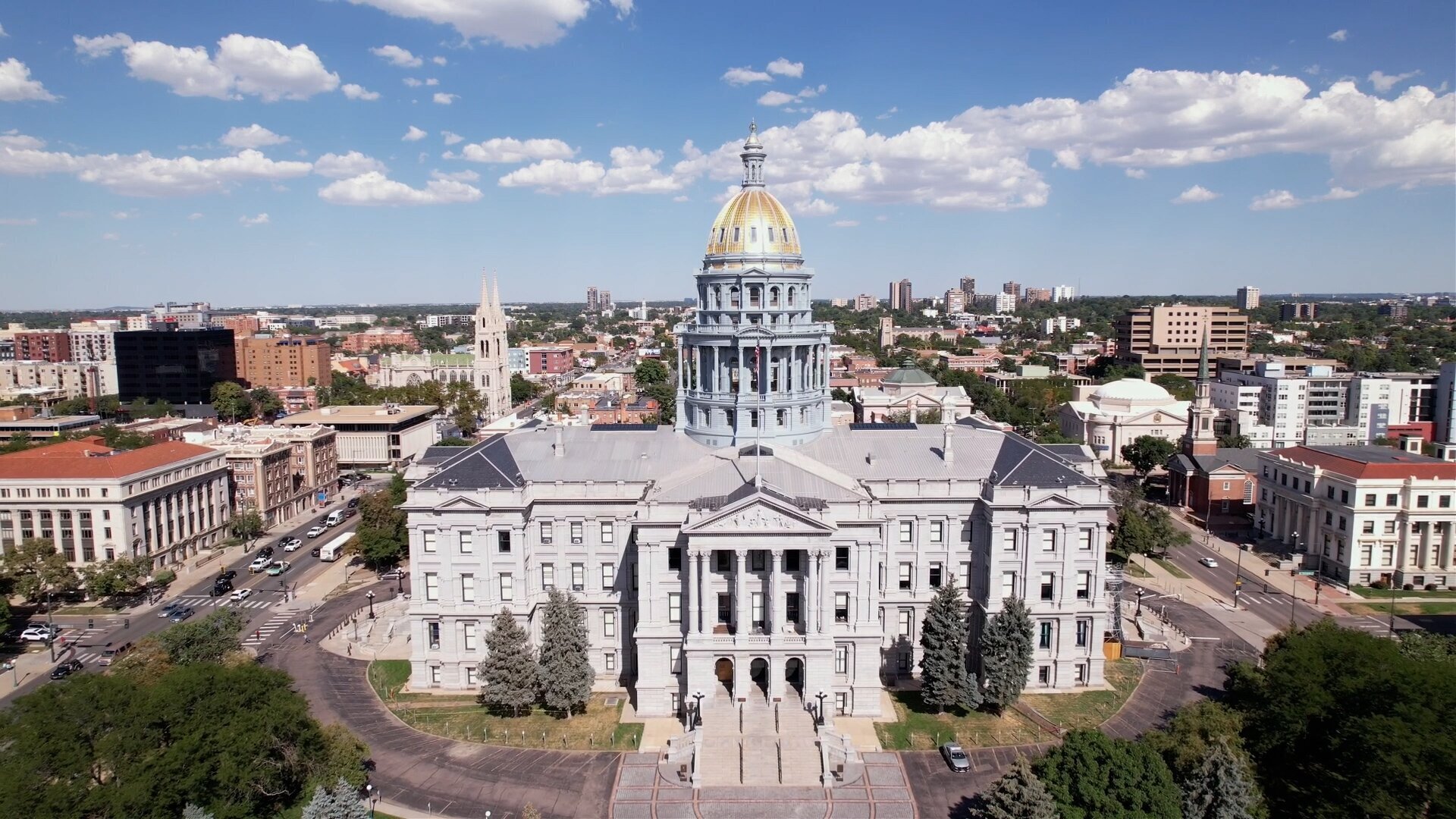
LAMAR, Colo. — Colorado Gov. Jared Polis (D) signed a bill into law Tuesday that will make it easier for out-of-state teachers to obtain teaching licenses in Colorado.
Colorado has faced a consistent teacher shortage since about the 1980s, according to Frank Reeves, the director of operations and strategic partnerships for Colorado Rural Schools Alliance. Last year, 599 teacher positions were vacant, according to data from the Colorado Department of Education, down from 1,436 the previous school year.
The bill goes into effect on Aug. 12. Previously, out-of-state teachers seeking a Colorado teacher license needed to have at least three years of teaching experience in the past seven years. The new bill simplifies the requirement to three years of teaching experience without a specific timeframe.
“I think more commonly we get many teachers who start a family … now their kids are old enough to go to school, and maybe they've since moved to Colorado and they're looking to get [teaching] licenses,” Reeves said.
“And it's like, ‘I haven't taught three years out of the last seven years.’ So getting rid of that was really important, really important for a small district.”
The teacher shortage impacts classrooms statewide, but rural school districts in Colorado face unique challenges. In an effort to address the shortage, many school districts in rural areas are filling the gaps through alternative teacher licensure programs, emergency certified teachers and retired educators returning to the classroom.
“It's just hard in this rural community because if you didn't grow up here, most likely you're not coming here,” said Halie Peterson, a preschool teacher at Lamar’s Melvin Hendricks Developmental Center.
Peterson is an emergency certified teacher on track to obtain a Colorado teaching license this year. She graduated with her bachelor's degree in social work from Colorado State University-Pueblo, but because her degree wasn’t in education, she had to take the emergency certification track.
The emergency licensure program was designed to help educators from a non-traditional background — meaning they did not receive a degree in education — enter classrooms fast. Individuals are required to hold a four-year degree from an accredited university and must enroll in an approved program that will help them eventually obtain full teaching credentials in Colorado.
Although the emergency licensure is intended to get teachers into the classroom quickly, it is still a time-consuming and expensive process.
“It's definitely intimidating at first,” Peterson said.
Peterson said she had an advantage because she worked as a substitute teacher in the Lamar School District — a rural school district with about 1,300 total students enrolled this year — for about three years, which fast-tracked some paperwork in her emergency certification process. The school district paid for the courses Peterson needed to take to become emergency certified, which would have cost her $6,500, she said. Not all emergency certified teachers in the state receive that financial support.
At Lamar’s Parkview Elementary, nearly half of the students currently enrolled in reading intervention courses may not receive specialized instruction next school year, in part because of the statewide teacher shortage.
“The teachers are just spread too thin,” said Leslie Treat, 62, a reading interventionist at Parkview Elementary. “It’s hard on everybody.”
Treat is one of two educators — with about 50 students each — who currently run the reading intervention program at the school. The program teaches phonics and reading comprehension to students who don’t meet reading benchmarks in traditional classroom settings. But Treat will not be allowed to return to the classroom next school year.
Treat retired last year — at least, technically. She re-entered the classroom this school year to meet the demand for teachers. She is on the Lamar School District's payroll but still receives her retirement pension from the state because of a law passed in 2022 to help address the shortage.
“That was one answer … there are teachers out there who are willing to come back and teach,” Reeves said about the 2022 law, the idea for which was introduced about a decade ago.
“And that was one that … took a little bit of an initial fight.”
Treat taught for 30 years, but since not all of her teaching experience was in Colorado, the Public Employees’ Retirement Association only allows her to re-enter the classroom for one transition year while collecting retirement benefits.
Per PERA policy, Treat may return to the classroom while collecting retirement benefits again after a two-year break, leaving many students at Parkview Elementary who need extra support in limbo.
This school year, Treat conducted a phonics survey where she learned that each of her fifth grade students failed the short vowel sound phonics test, a lesson that students are supposed to learn by first grade.
“I wish more people understood that we're not just glorified babysitters, that we are working our hearts out for their kids, that we love their kids,” Treat said. “And that more than anything in the world, we want their kids to succeed.”
Based on facts, either observed and verified firsthand by the reporter, or reported and verified from knowledgeable sources. To read more about why you can trust the journalism of Rocky Mountain PBS, please visit our editorial standards and practices page.