Proposed fracking project near the Aurora Reservoir delayed with new conditions

AURORA, Colo. — After five public hearings over the course of almost three months, Colorado’s Energy and Carbon Management Commission (ECMC) voted 4-1 to “stay” the controversial fracking project near Aurora reservoir, not approving the development but not denying it either.
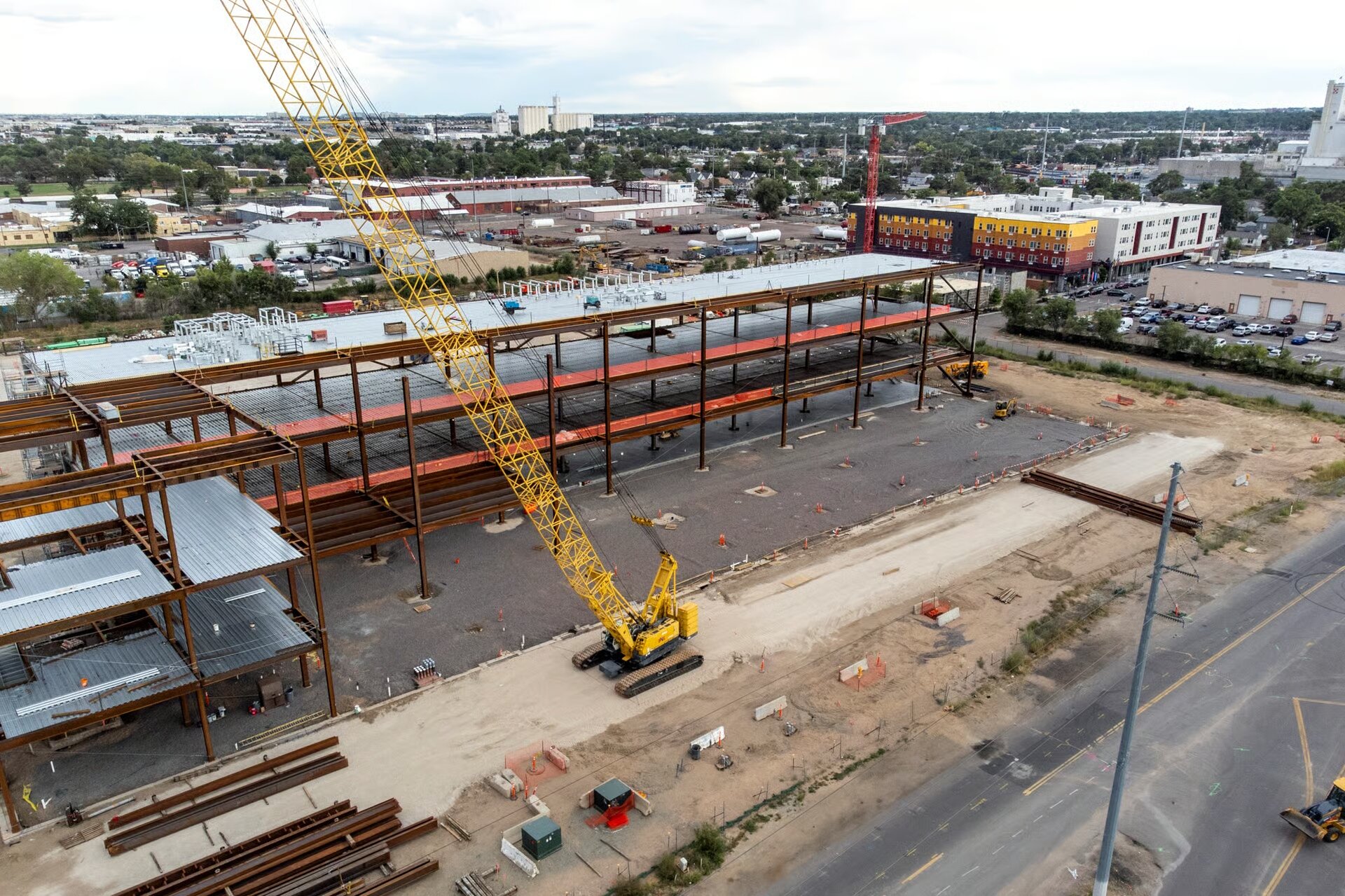
The hydraulic fracturing project, called the State Sunlight/Long pad, will make up 32 new wells in Southeast Aurora, roughly 3,200 feet away from the Aurora reservoir.
It is one of 10 fracking locations that will make up the 33,440-acre Lowry Ranch Comprehensive Area Plan.
According to the ECMC, a “stay” means delaying a proceeding until updated conditions are met.
The December 10 decision came after five days of deliberations, public comments and testimonies from people both for and against the fracking project.
“I am really pleased. It was a long and difficult process,” said Yvonne Yap, a resident in the Southshore neighborhood near the proposed project site. “The commission heard the community and we had a voice.”
The commission’s decision means that oil company Civitas and its subsidiary, Crestone Peak Resources, must meet nine additional requirements before the oil and gas development plan (OGDP) receives approval.
Many of the requirements ask that Crestone submit more information about its plan.
Crestone must now provide reports on minimizing wildlife impacts with Colorado Parks and Wildlife. The OGDP is also required to provide an alternative location analysis, which involves evaluating other potential sites for the project — specifically those farther east, away from residential areas.
The OGDP faced backlash from community members behind the nonprofit group Save the Aurora Reservoir (STAR). Formed in 2022, the group advocates against industrial development near the reservoir, which serves as Aurora’s primary drinking water source.
STAR hired its own lawyer and expert witnesses in the proceedings to make a case against the well pad.
“I appreciate all of the work and perspectives provided by each of the parties in this hearing and the fact that they came to the table with not only problems but potential solutions,” said John Messner, commissioner for the ECMC, during final deliberations.
After the meeting, STAR released a formal statement expressing its pleasure with the commission’s vote.
“Throughout this process, STAR remains ready to partner with industry and the ECMC to identify the most responsible and protective location for all,” STAR said in the statement.
More than 300 people attended the online meeting when the ECMC finally announced its decision.
“I’m so proud and grateful for the community that showed up and made it the most-listened-to decision meeting ever,” Yap said.
For now, Crestone has new requirements to meet until stated otherwise by the ECMC.
Based on facts, either observed and verified firsthand by the reporter, or reported and verified from knowledgeable sources. To read more about why you can trust the journalism of Rocky Mountain PBS, please visit our editorial standards and practices page.