10:22
PBS Space Time
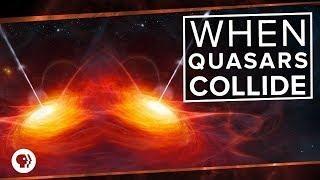
When Quasars When Quasars Collide STJC
So what happens when two Super Massive Black Holes collide?
Broadcast Outage: We’re investigating a broadcast transmission failure affecting the San Luis Valley from Antonito in the south to Salida in the north. We’re working to resolve this issue. You can stream our live broadcast online or via the RMPBS+ App.

Help tell more stories in 2026 - make a year-end gift!
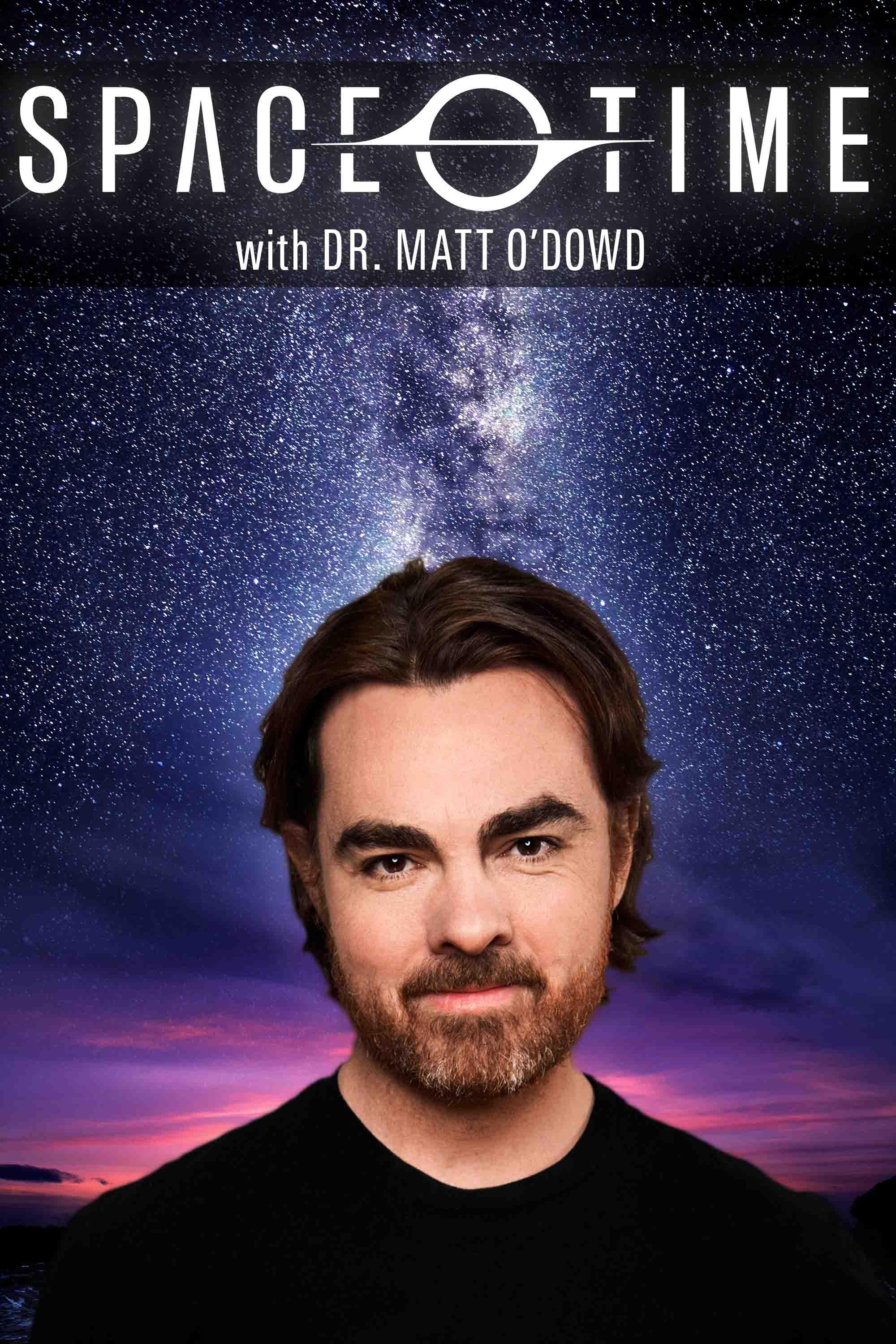
PBS Space Time explores the outer reaches of space, the craziness of astrophysics, the possibilities of sci-fi, and anything else you can think of beyond Planet Earth. Host Matt O'Dowd breaks down both the basic and incredibly complex sides of space and time.
The Future of Space Telescopes
Season 3 Episode 40 | 10m 34s | CC
The Kepler mission has determined that terrestrial planets are extremely common, and may orbit most stars in the Milky Way. But these planets are difficult to directly image because they’re dense and small. Our Sun is about ten billion times brighter than Earth. Train a distant telescope on us, and it will be overwhelmed by the Sun’s rays. So how can we find terrestrial planets around stars light
Subscribe to Our Newsletters
Get trusted Colorado stories, programs, and events from Rocky Mountain PBS straight to your inbox.