12:16
The Bigger Picture
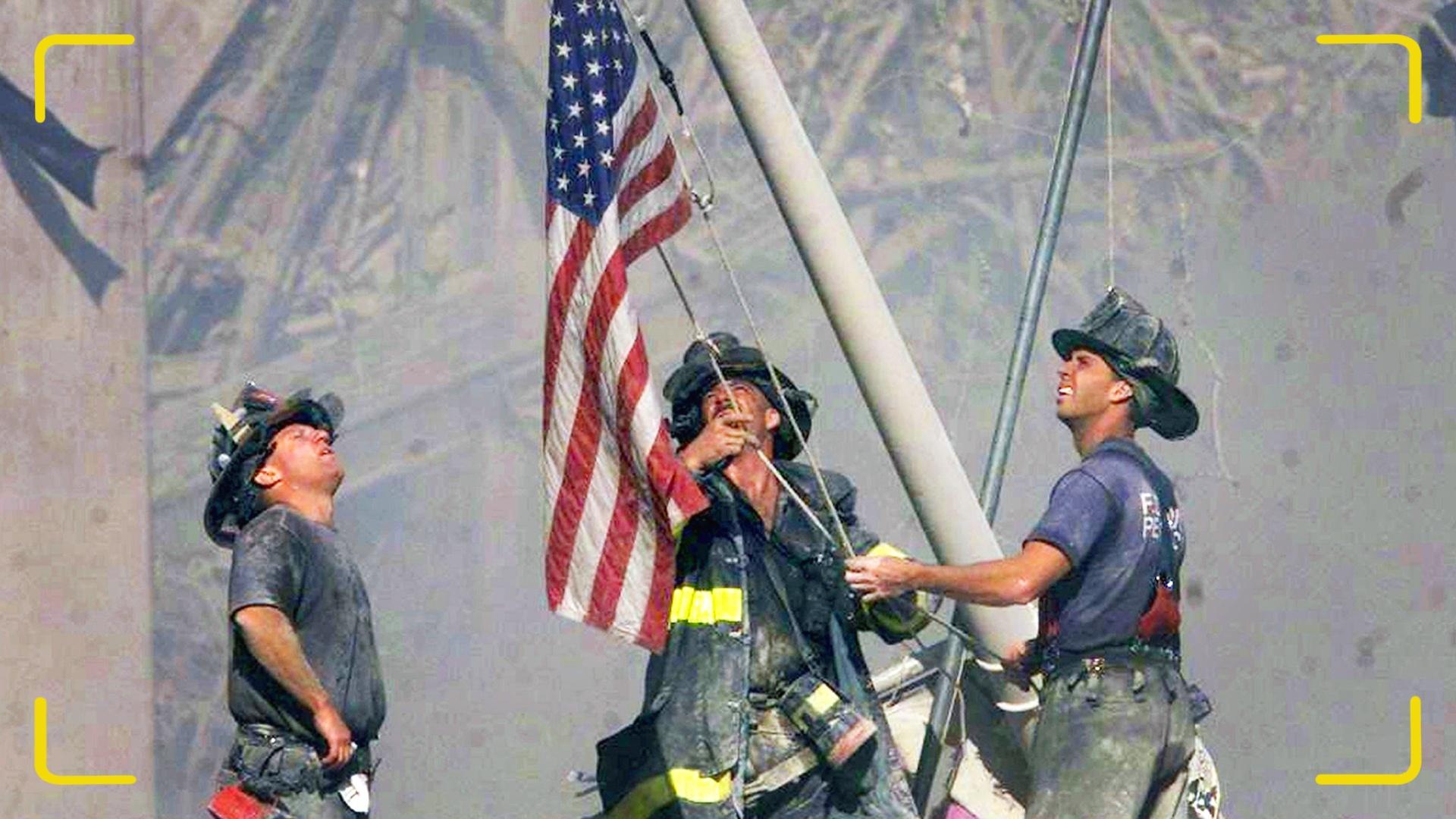
The Real Story Behind This Iconic 9/11 Photo
The story behind “Raising the Flag at Ground Zero,” an iconic photo taken on September 11.
Broadcast Outage: We’re investigating a broadcast transmission failure affecting the San Luis Valley from Antonito in the south to Salida in the north. We’re working to resolve this issue. You can stream our live broadcast online or via the RMPBS+ App.

Help tell more stories in 2026 - make a year-end gift!
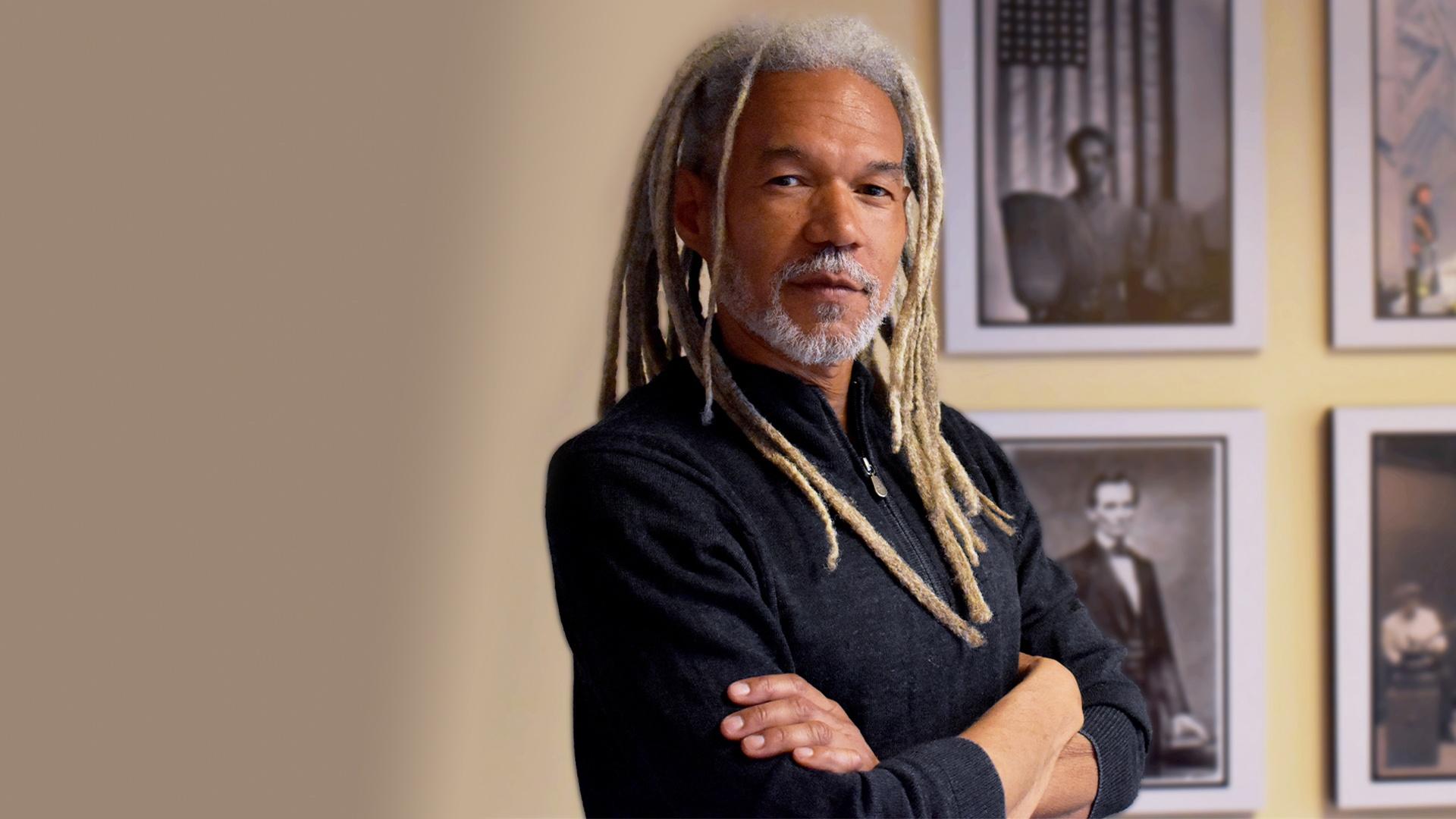
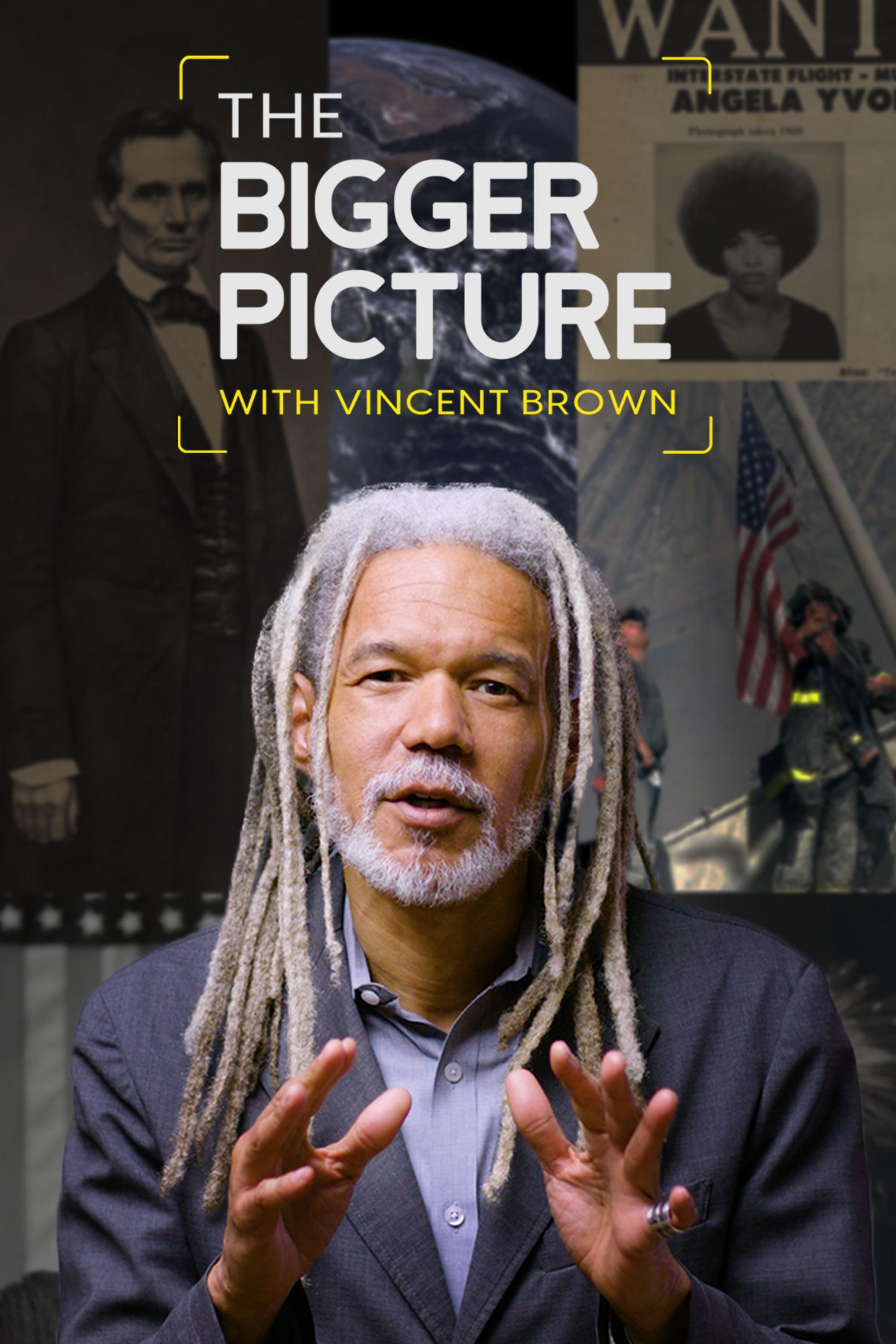
Images can tell powerful stories. One iconic photograph can symbolize an entire era. But if we expand the frame and examine the moment in which it was taken, a very different story can emerge. In this series of documentary shorts, Harvard University historian Dr. Vincent Brown meets with curators, photographers and other experts to challenge common assumptions about iconic American images.
How an FBI Poster Became a Black Power Symbol
Season 1 Episode 6 | 14m 24s | CC
How did an FBI Wanted poster, intended to make a criminal out of activist and academic Angela Y. Davis, transform her into a symbol of Black Power and liberation? Host Vincent Brown considers the impact of Davis’ image and the ways in which style can be a form of political activism. Professor Davis also shares her own complicated feelings about the image, which have evolved over the past 50 years.
Subscribe to Our Newsletters
Get trusted Colorado stories, programs, and events from Rocky Mountain PBS straight to your inbox.