Durango nears dark sky certification after years of effort
DURANGO, Colo. — On a clear night in Durango, a city of 20,000 people, the Milky Way stretches across the sky, visible even from neighborhoods within the city limits.
“I grew up here under very clear night skies,” said Weylin Ryan, former sustainability and policy director at Visit Durango. “That’s really where my love of the stars came from.”
Durango is trying to protect that experience by becoming an official “dark sky” community, a designation awarded by DarkSky International, a nonprofit that certifies places around the world that reduce light pollution and preserve the natural night environment. Colorado leads the nation in these designations, with 20 certified dark sky places, including communities, parks and protected areas.
Earlier this year, Chimney Rock became Colorado’s 20th International Dark Sky place.
Durango’s effort has been years in the making. Marty Pool, Durango’s sustainability manager, said local dark sky initiatives date back more than a decade, when initial lighting rules took effect. But in the past two years, the city has accelerated its push toward certification, updating ordinances and upgrading infrastructure. The city believes it has now met the threshold of compliance required to qualify for dark sky certification.
To qualify for dark sky certification, communities must adopt lighting rules that limit glare, reduce light spilling upward and control brightness and color. In practice, that often means using shielded fixtures that point light downward, choosing warmer-colored lights instead of blue-rich LEDs and using only as much light as necessary.
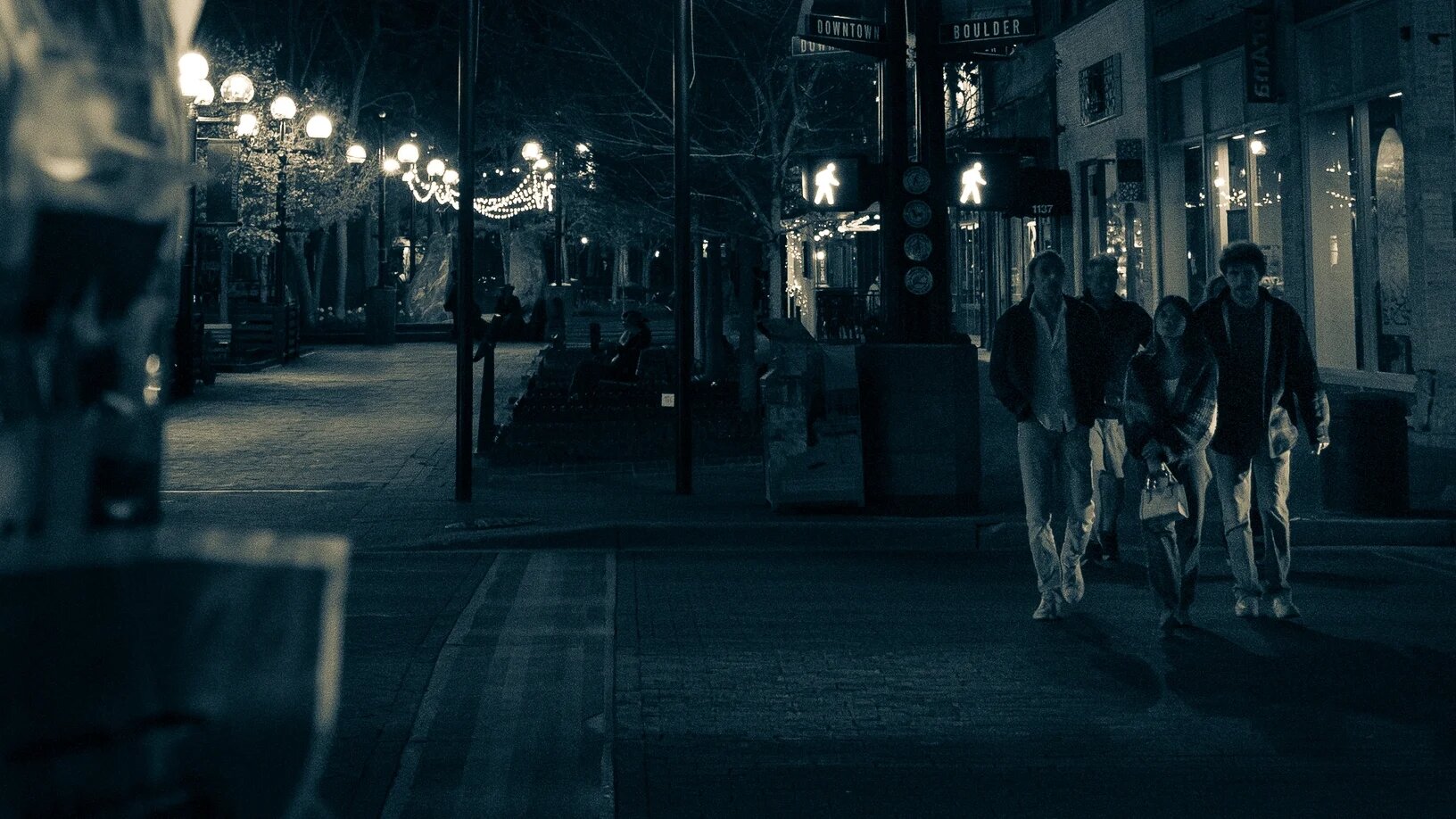
Some of those changes are already visible in Durango. Along parts of the Animas River Trail, newer lights sit lower to the ground, aimed directly at the path instead of shining outward. They dim until someone approaches, then brighten briefly before fading again.
Across the city, many streetlights have already been replaced or retrofitted to meet those standards. Pool said most city-owned lighting is now compliant, though several hundred fixtures still need to be upgraded.
“It’s been a lot of chipping away at it year after year,” he said. “We’re well on our way.”
If approved, the certification would come with a timeline. The city will have five years to bring its remaining lights into compliance, while private properties — from homes to big-box stores — will have up to 10 years to make those changes.
For Ryan, the urgency is rooted in what he has seen elsewhere. He points to places like Chaco Canyon, where distant cities have begun to cast a faint glow onto once-pristine skies.
“That light travels,” he said. “You can start to see that dome from towns that are miles away. Once it’s there, it’s really hard to undo.”
The concern is not just aesthetic. Research has linked excessive artificial light at night to disrupted sleep cycles and broader health impacts. Blue-rich light, common in many LED fixtures, can interfere with the body’s circadian rhythm, signaling that it is still daytime even after sunset.
Light pollution also affects wildlife. Migratory birds can become disoriented, insects cluster around bright lights and plants respond in ways that can disrupt natural growth cycles.
More light at night does not always mean safety. Overly bright or poorly designed lighting can create glare, which reduces visibility and makes it harder for pedestrians and drivers to see clearly.
Harsh lighting can also create sharp contrasts, leaving deeper shadows where people or hazards may be harder to detect. Instead, well-designed lighting, such as shielded fixtures that direct light downward and distribute it evenly, can improve visibility and safety without over-lighting.
“You don’t necessarily need more light,” Ryan said. “You need better light.”
Reducing or removing unnecessary lighting can also lower energy costs and maintenance needs, a benefit Ryan said communities often overlook.
For Durango, there is also an economic angle. Dark sky certification can attract visitors interested in stargazing, astronomy events and night photography, even if they are unfamiliar with the designation itself.
“I don’t think you can name a culture that doesn’t have stories about the stars,” said Ryan. “It’s something humans have always done, just look up.”
Based on facts, either observed and verified firsthand by the reporter, or reported and verified from knowledgeable sources. To read more about why you can trust the journalism of Rocky Mountain PBS, please visit our editorial standards and practices page.