How Colorado Springs is balancing a new tree planting program in a drought year

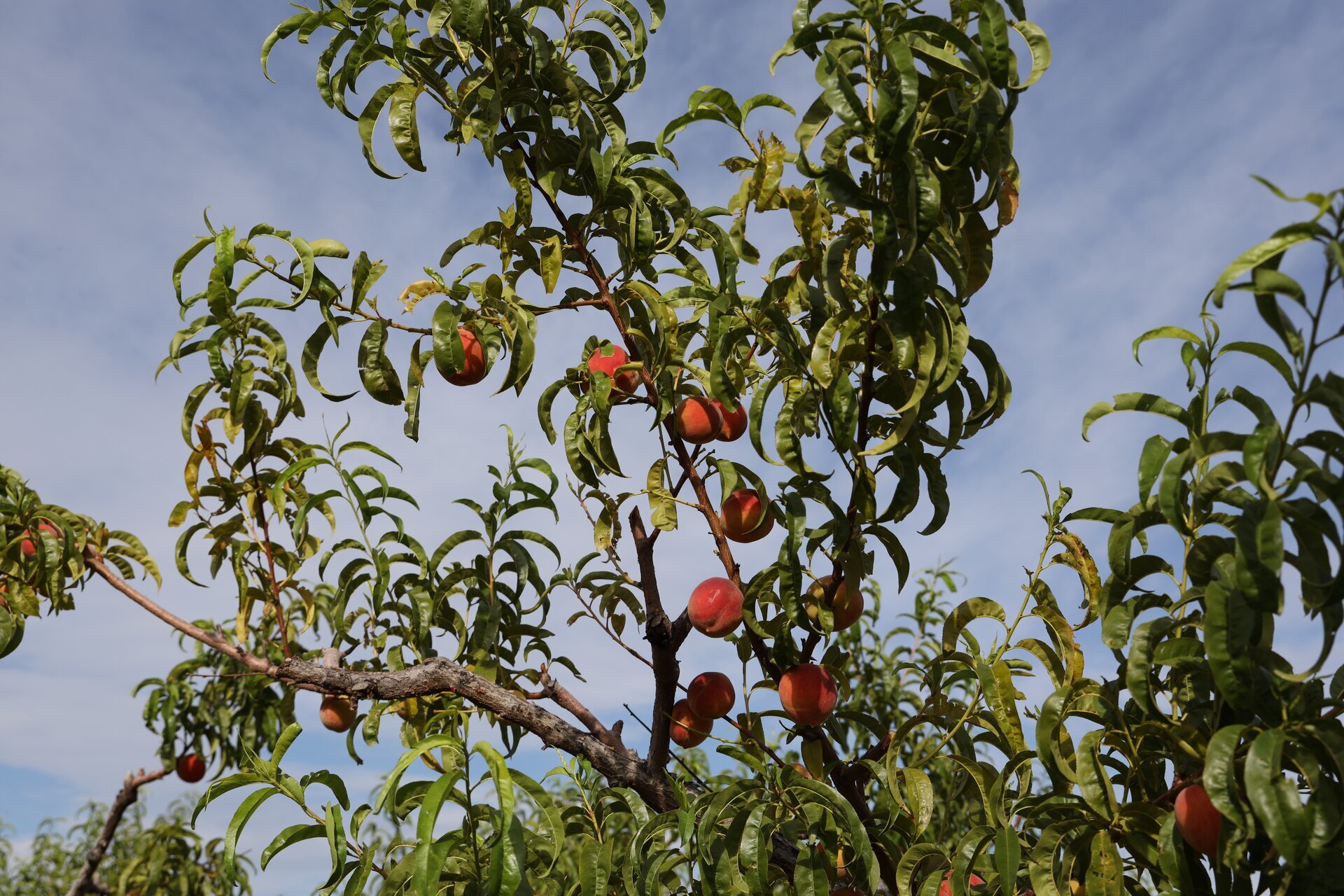
COLORADO SPRINGS, Colo. — In the southeast region of Colorado Springs, where the tree canopy is more sparse than other parts of the city, municipal arborists lug a trailer full of young trees to residents who applied for "Grow Shade Together,” the city’s free tree program.
“We've been wanting to add more trees ever since we moved in,” said Ann Vasseur, a Colorado Springs resident and recipient of one of the city’s free trees. When Vasseur first moved into her house in the Southborough neighborhood, there were not any trees, she said.
Ann Vasseur and her husband, Kenneth Vasseur, applied for a free tree after hearing about it on their local news station in March.
The city is planting 3- to 5-year-old trees — which can require up to 25 gallons of water per week, depending on their size — throughout Colorado Springs, despite Colorado experiencing one of its driest years on record.
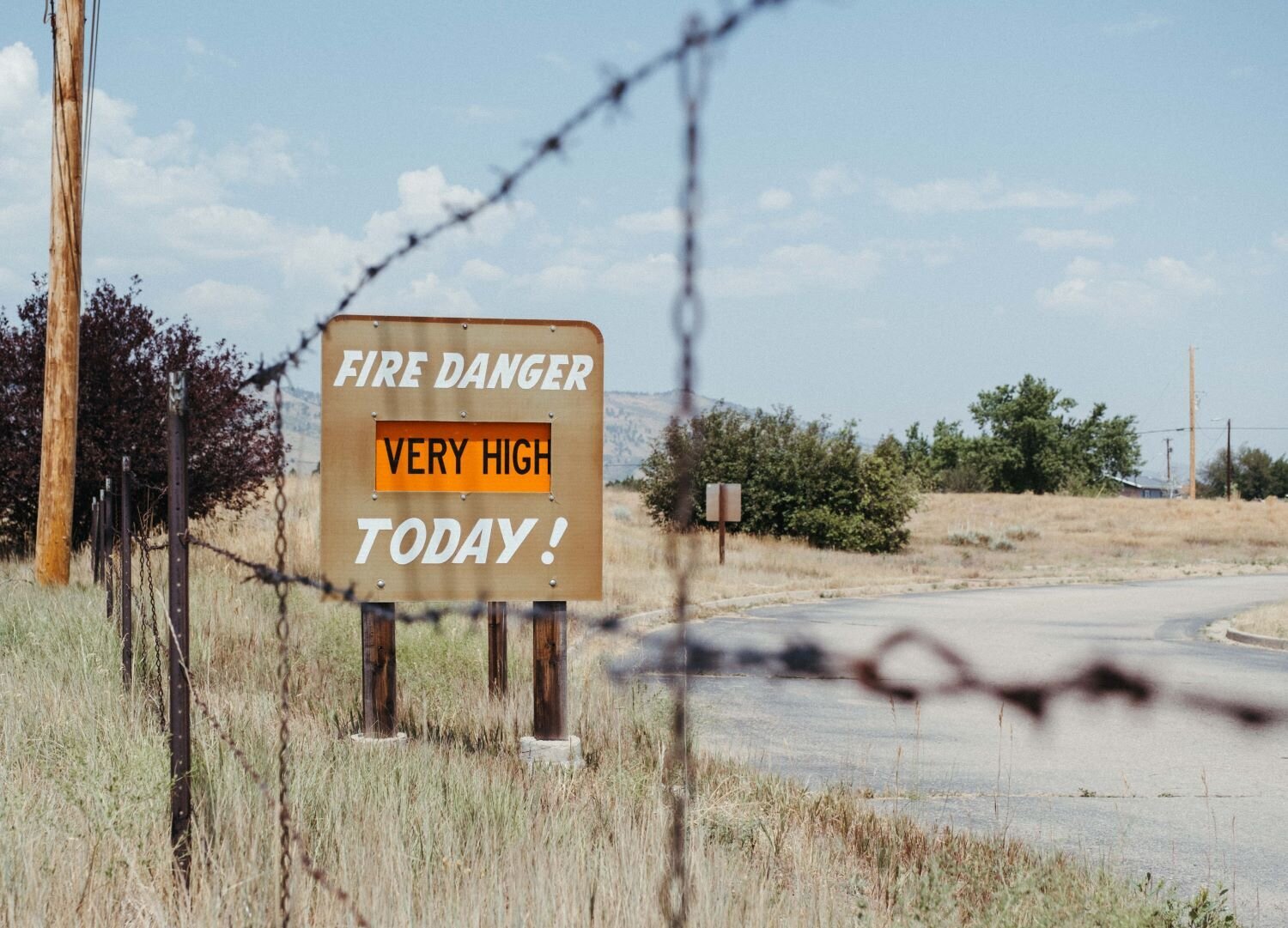
About 98% of Colorado has reached at least Stage 1 drought, according to the U.S. Drought Monitor, the first of four stages. Many cities along the Front Range, including Manitou Springs, Denver, Brighton, Boulder and Arvada have declared Stage 1 drought. Much of the state is currently experiencing Stages 2 through 4, which are severe, extreme and exceptional drought, respectively, according to the same monitor.
On April 22, about a month after the Vasseur’s submitted their free tree application, a crew of five city arborists arrived at their house, dug a hole in the front of their single-story ranch-style home and plopped in a roughly seven-foot-tall catalpa tree. They shoveled back in the dirt, topped it off with brown mulch and attached two poles to the side of the young tree for support. The entire tree-planting process took less than an hour.
Colorado Springs is currently in a “Water Shortage Preparation” stage, according to Colorado Springs Utilities, but has not formally declared drought. Starting May 1, Colorado Springs implemented “Water Wise” rules, which limit residents to watering no more than three days a week and only during hours before 10 a.m. and after 6 p.m.
The city is trying to navigate the long-term benefits of its tree-planting programs with the impact of this year's historically low snowpack and rain.
Colorado Springs’ city forester, Matthew Puckett, said the young trees' water usage is worth the future benefits, and as the trees mature, they will help with long-term water conservation. Puckett said increased urban canopy helps keep moisture on the ground; without trees, water evaporates quickly off the pavement, he said.
When General William Jackson Palmer founded the city of Colorado Springs in the late 1800s, he donated about 600 cottonwood trees, which are native to riparian zones and require more water usage, to build up the urban tree canopy.
“We're trying to be mindful of what we plant for the future,” Puckett said.
Today, Puckett said the city doesn’t plant as many cottonwoods, opting instead for Kentucky Coffee trees, bur oak and hackberries because they are drought-tolerant once they establish roots.
If water restrictions do go into effect and residents must choose between watering their lawns or young trees, Puckett said to prioritize the trees because of their long-term benefits.
“Having an urban canopy has more benefits than the drawbacks,” said John Harner, a geography professor at University of Colorado Colorado Springs, about the program running in a drought year.
Harner teaches an urban geography class about Colorado Springs and wrote a book — “Profiting from the Peak: Landscape and Liberty in Colorado Springs” — about the history of Colorado Springs’ geography.
Harner said increasing the urban canopy creates more habitats for birds, bugs and other animals. Trees cool the environment around them, which helps reduce the urban heat island effect, he said. Trees also serve as protection to pedestrians when placed between busy streets and sidewalks, he added.
The Vasseurs said that if water restrictions are implemented this summer, they will prioritize watering their trees as opposed to the bushes or flowers in their lawn.
Planting is taking place through May 22. Colorado Springs residents can apply for a free tree here.
Based on facts, either observed and verified firsthand by the reporter, or reported and verified from knowledgeable sources. To read more about why you can trust the journalism of Rocky Mountain PBS, please visit our editorial standards and practices page.