

CSU's new herb garden to sprout up later this year
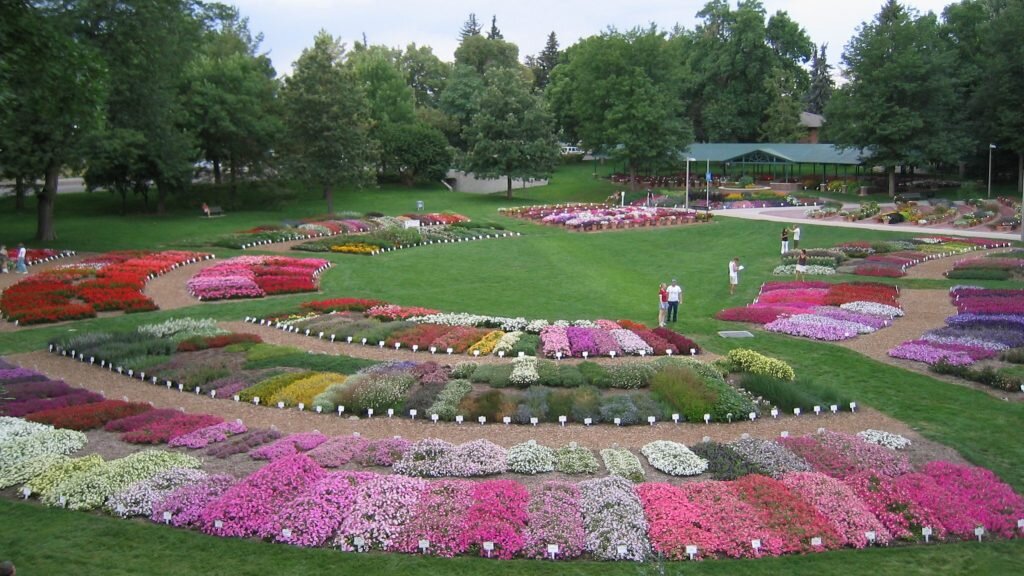
FORT COLLINS, Colo. — Every spring, the blooms of Colorado State University's flower trial garden light up in a kaleidoscopic spectacle of color that draws thousands of visitors.
This year, visitors will have a new garden to enjoy. Thanks to funding from Barney and Julie Feinblum, the university is opening a garden dedicated to herbs.
The quarter-acre garden, which will sit next to the existing flower trial garden, will feature more than 50 varieties of plants divided into three sections: culinary herbs, tea herbs and medicinal herbs. CSU will break ground on the new garden in April. Staff hope to begin planting the first herbs in mid-May.
“By the middle of summer, a good chunk of it will be planted,” said CSU associate professor Chad Miller, who will oversee the garden.
“I want students to learn that you can change the world with a few simple plants,” said Barney Feinblum, former CEO of Celestial Seasonings. Feinblum helped turn the Boulder tea company into a supermarket name.
After leaving Celestial Seasonings, Feinblum went on to lead Horizon Organic Dairy, Organic Vintners and Alfalfa’s Market.
The idea for an herb garden came to Feinblum after his alma mater, Cornell, celebrated the 50th anniversary of its herb garden in 2024. Feinblum was not a student when Cornell constructed its herb garden, but he knew the impact herbs had had on his own life and wanted to give back.
Herb gardens are common at land grant universities like CSU, Miller said. But many times, herb gardens are small, informal plots run by a single student.
During Feinblum’s time as CEO, Celestial Seasonings tried to source some of its tea herbs, like peppermint, from Colorado farmers, but it was difficult to match the quality of herbs imported from Egypt and elsewhere, Feinblum said.
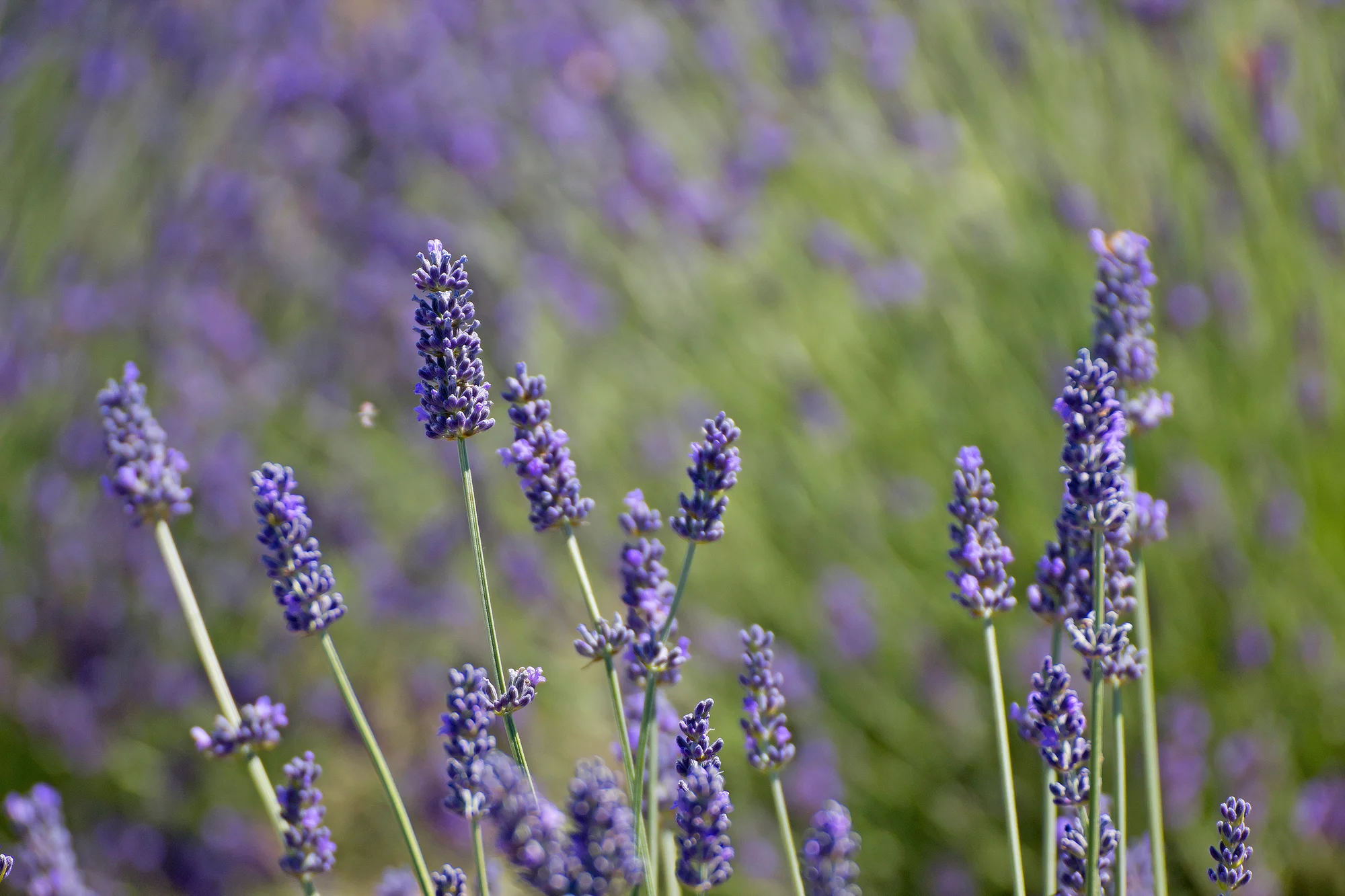
Many herbs, like basil, rosemary and oregano are well-adapted to Colorado’s warm, dry conditions, but other species will require more care for students to grow.
“Lavender can be a bit fussy,” Miller said.
One of the reasons herbs have become so popular with home gardeners is that they provide multiple uses. They can provide an aesthetic value, but you can also “put them on spaghetti…or dry them and use the fragrance,” Miller said.
He hopes the garden will open people’s eyes to the variety of forms a single plant can take.
For example, the garden could include an entire plot made up solely of basil. Different varieties, such as genovese, thai and lemon basil each have unique flavor profiles, but plants can also differ by color or resistance to disease.
Although CSU won’t experiment with new herb varieties at the same rate as its flower trial garden, Miller expects there will be opportunities to try new plants every spring, especially among annuals.
Students studying landscape design and contracting are helping design the garden’s layout. Student employees will maintain the garden.
Feinblum’s contribution covers the costs of the installation and student salaries to maintain the garden in perpetuity, Karrie Butler, assistant director of development, said.
Once plants are established, the university will have a better sense of what opportunities exist to incorporate plants into classes. Ideas include using herbs in medicinal workshops or art classes.
Based on facts, either observed and verified firsthand by the reporter, or reported and verified from knowledgeable sources. To read more about why you can trust the journalism of Rocky Mountain PBS, please visit our editorial standards and practices page.