Trump’s increase in Argentine beef imports highlights deeper issues in Colorado’s ranching industry

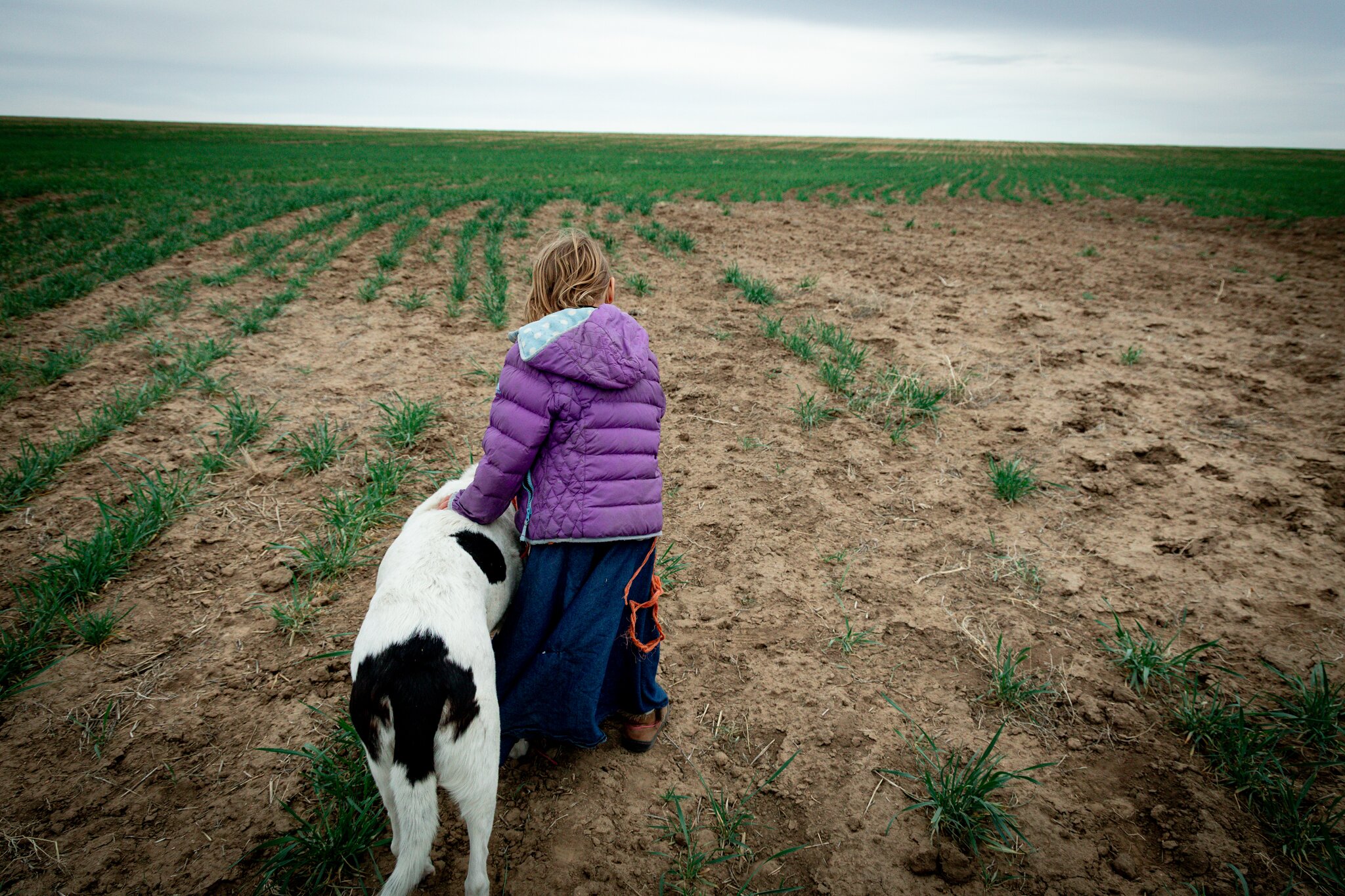
LOVELAND, Colo. — On 500 acres of rolling land, a herd of 45 cattle graze Ciardullo Ranch, a first-generation, family-owned operation started in 2016.
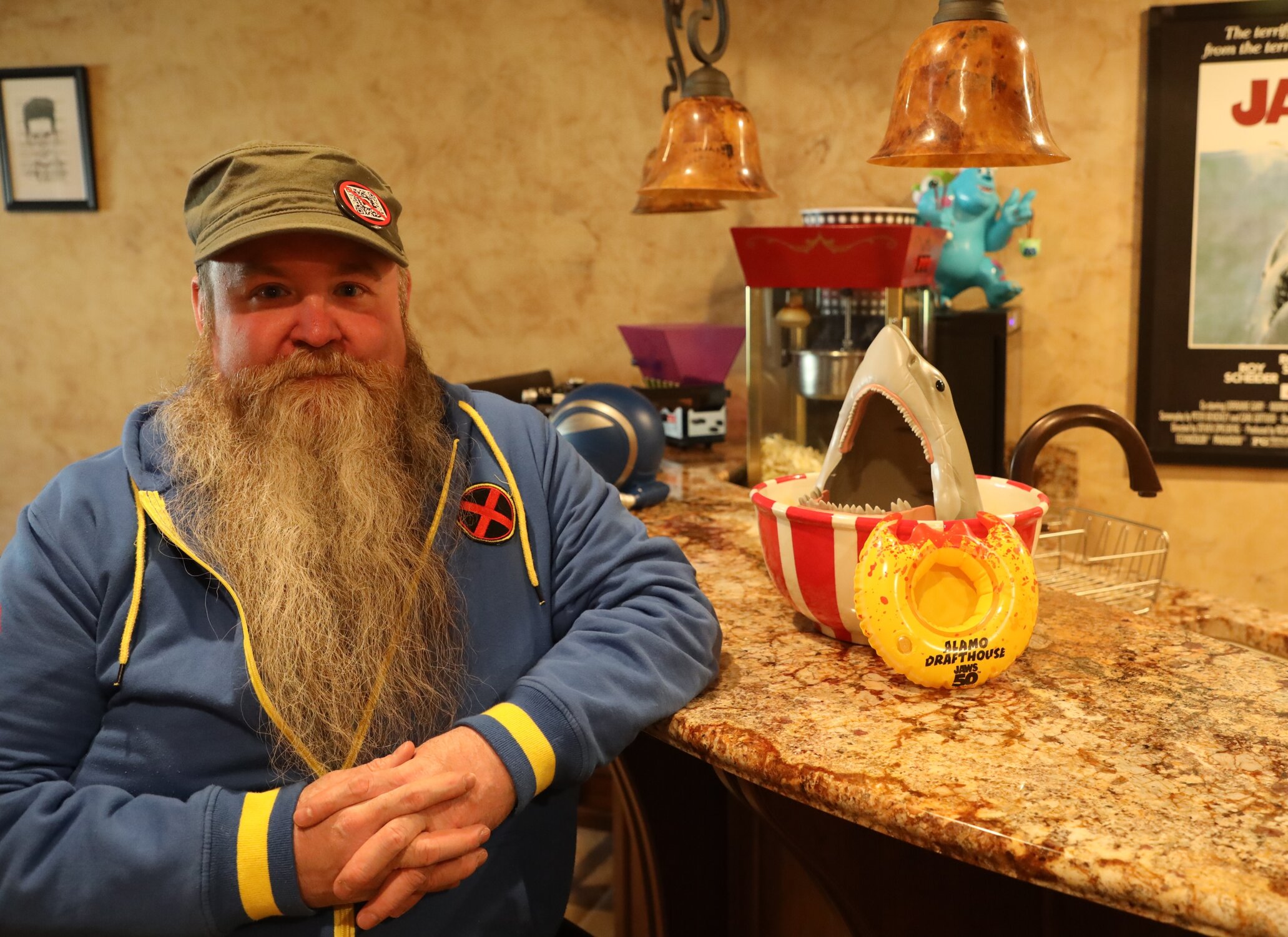
“I would love to think that I would be able to hand this down to my son,” said Josh Ciardullo, who runs the Wellington, Colorado ranch with his wife, Erica. “At this point right now, if I was a betting man, I would probably bet against that happening.”
The U.S. has lost about 17% of cattle ranches — more than 150,000 operations — since 2017, the U.S. Department of Agriculture reported. Tyler Cozzens, the director of Livestock Marketing Information Center and former agricultural economist with the USDA, said the drop is driven by drought, particularly in the West, and rising production and feed costs.
When Ciardullo, a former firefighter, and his wife, a former teacher, began ranching in Northern Colorado a decade ago, they didn’t anticipate the challenges that would lie ahead. They’ve provided grass-fed, pasture-raised beef to around 700 families, selling directly and locally. But rising operational costs are putting pressure on small American ranches like theirs, Ciardullo said. And increasing beef imports is not going to help sustain American ranching long term, he added.
“Since 2016, all of the input costs [for ranching] have gone up,” Ciardullo said. “Meanwhile, a lot of farmers and ranchers… they have debt to service. It just doesn't add up in the long run the amount of money you make farming and ranching to pay that off.”
Many cattle producers criticized President Donald Trump after he signed an executive order this month quadrupling the amount of lean beef trimmings that can be imported from Argentina. Trump said the move is intended to increase supply and help bring down beef and veal prices, which have spiked 15% over the past year as of January.
But domestic ranchers said the move could hurt their bottom line, and economists are skeptical it will meaningfully lower prices for shoppers.
In January, the average price of ground beef cost about an average of $6.75 per pound, marking the highest level since the government started tracking retail prices in the 1980s, according to data from the U.S. Bureau of Labor Statistics.
For the past decade, cattle producers weren’t making money, so many of them left the industry, which shrunk cattle herd numbers, said Chad Franke, president of the Rocky Mountain Farmers Union.
“It takes two to three years to recover those cattle herd numbers. The cattle guys are finally making money, so they're kind of protective and trying to capture as much as they can,” Franke said.
Beef prices are high right now because the demand is high, yet the U.S., which is the world’s largest consumer of beef, is facing a 75-year low in cattle supply, said Cozzens.
Beef imports have been rising over the past decade due to high demand and a shortage in domestic production. In 2024, the United States brought in a record 4.6 billion pounds of beef, more than 24% higher than in 2023. And in 2025, that number was expected to increase by another billion pounds.
Cozzens said Argentina accounted for 2% of U.S. beef imports in 2025. Australia accounted for 26%, while Canada supplied 19%. Under the new import quota, Argentina will be allowed to send about 4% of the total beef the U.S. imports this year.
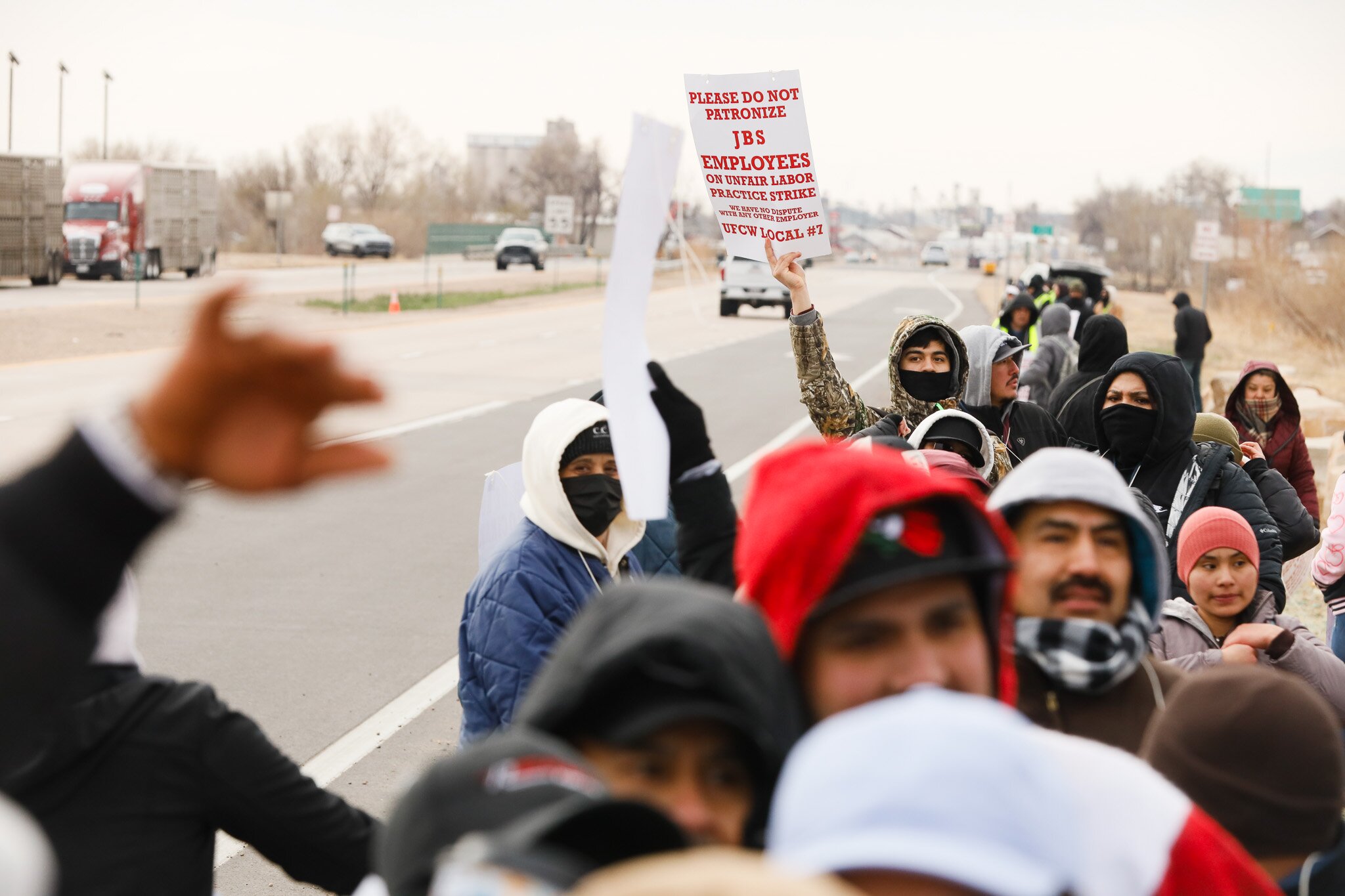
“When you look at who is making money importing that beef, it’s these big packers… JBS, Cargill, Tyson, National Beef. They can buy it overseas by the container load, bring it in, and because of our labeling rules — they can process it, stick it on the shelf, and it looks just like any other beef,” Franke said.
The “big four” meatpacking corporations are able to make higher profits by bringing in imported beef instead of purchasing U.S. beef because it reduces their production expenses. This hurts domestic producers because the meatpackers can bid less money on domestic live cattle, explained Franke.
Cristy McCormick helps manage an operation of more than 500 cattle in her fourth-generation family farm in San Luis Valley. McCormick said that they are seeing good prices right now, however, they aren’t seeing returns like the meat packing plants.
“A lot of people think ranchers are making tons of money but forget to look at the middle man,” McCormick said.
If the imports are going to continue, Rocky Mountain Farmers Union at least wants the beef to have a country of origin label. The label would allow the U.S. producers to stand out in the market, Franke said. Senate Majority Leader John Thune (R-South Dakota) introduced a bipartisan measure last year — the American Beef Labeling Act of 2025 — that mandates country-of-origin labeling on beef, but it hasn’t been brought to a vote yet.
Ciardullo expressed concern that short-term solutions like importing more beef might lower ground beef prices slightly, but questioned the long-term impact.
“What happens in 10, 15, 20 years when all of these ranchers that are 60, 70 years old are gone and we've lost productive ranch land?” he said.
Ciardullo said he used to buy stocker calves for around $850 each when he and his wife first started ranching, but that in today’s market the calves can cost north of $2,500. That’s why Ciardullo Ranch recently pivoted to a cow calf operation, which means they are producing their own calves because they can no longer afford to buy them from other ranchers. Twenty-six of their heifers are pregnant at the ranch, which they lease.
“The barriers to entry are just too numerous and too overwhelming to get past to keep younger generations of ranchers coming in,” Ciardullo said.
But Ciardullo is not giving up; ranching has become his family’s passion, even if it means that he and his wife work outside jobs to sustain it.
“It's sad. It really is because I enjoy this way of life. My wife enjoys this way of life. And I think that if we fast forward 15, 20 years and we don't solve the root issue, then it's [ranching] going to be a thing of the past,” Josh said.
Cozzen and other agricultural economists said that strong beef demand is what will sustain the ranching industry in the long term.
Based on facts, either observed and verified firsthand by the reporter, or reported and verified from knowledgeable sources. To read more about why you can trust the journalism of Rocky Mountain PBS, please visit our editorial standards and practices page.