Sprawling solar farm in Fort Morgan goes online

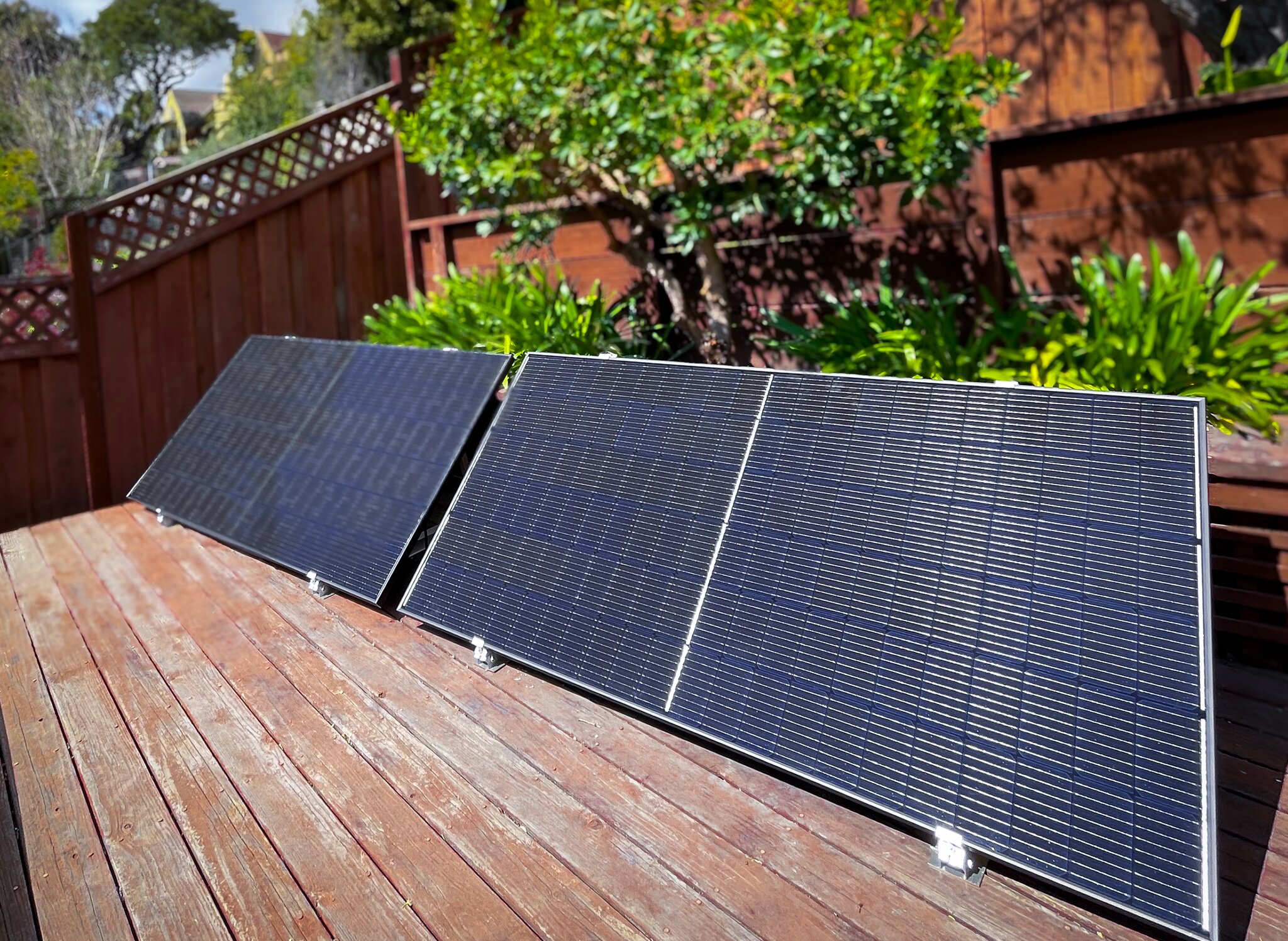
FORT MORGAN, Colo. — More than 100 rows of newly constructed solar panels fill about 20 acres of land in the east end of Fort Morgan.
The 3.8-megawatt solar farm — which officially came online in December — is set to power 5% of the community’s annual energy needs, according to Doug Linton, director of utilities for the city. The solar farm can generate enough electricity to power 850 homes annually, he said.
“We, as a community, recognize that Colorado is going to be pushing more and more for green energy,” said Brent Nation, Fort Morgan’s city manager. “And so when we looked at the economics of it, it definitely was something that we wanted to do.”
By 2030, Colorado aims to generate more than 80% of its electricity from renewable sources such as solar and wind power. Since 2010, the state has more than tripled renewable energy generation as large-scale wind farms and solar arrays across the Eastern Plains and the Front Range came alone. Those investments pushed Colorado into the top ten states for renewable energy adoption; wind, solar, and geothermal sources supplied about 43% of the state’s electricity in 2024.
However, a new study from the Conservation Colorado Education Fund found that despite significant progress in cutting greenhouse gas emissions from the electricity sector, emissions rose in other areas, especially transportation. Colorado is on track to miss its 2030 climate target of cutting overall emissions by 50% compared with 2005 levels.
Current policy decisions could further jeopardize the state’s climate targets. Earlier this month, the Trump administration moved to block Colorado’s plan to close coal-fired power plants by 2031. The U.S. Environmental Protection Agency rejected the state’s air-quality plan this month, which aimed to improve visibility in national parks and wilderness areas, saying it violated federal law by requiring plant closures without consent from all the plants.
Some residents of Fort Morgan are not enthusiastic about the new solar farm, expressing concerns that the land could be better used for agriculture. Others wondered whether it will directly reduce their electricity rates.
“Will our rates increase or decrease because of this addition to our infrastructure? These are the questions that matter to the people of Fort Morgan,” Tyler Kam, a Fort Morgan resident, said.
But residents largely stayed out of the decision-making process, Nation recalled. The city held council meetings with the solar facility on the agenda, but no one attended or spoke up when officials were deciding whether to approve the land lease and sign agreements with Sandhills Energy.
“We're a very conservative community out here. And so there's some of these things… they're just frowned upon a little bit,” said Nation. “And it's one of those that you have to be smart about it when you're looking at the project to see if it is worthwhile. And even though we have a pretty conservative council, they could still see the economics made sense on this.”
Though only a month in, buying power from solar is already slightly cheaper for Fort Morgan. Nation said the city’s first electricity bill since launching the project was $9,633. Buying that same amount of power from its wholesale provider, Municipal Energy Agency of Nebraska (MEAN), would have cost $11,488.
“Two thousand dollars a month for the year would be a 0.1% savings to our overall budget of $24 million — insignificant, but a savings nonetheless," said Nation.
The solar project is a collaboration between the City of Fort Morgan, Nebraska renewable energy developer Sandhills Energy and MEAN, a nonprofit wholesale electricity supplier serving 69 municipal utilities across four states, including more than a dozen in Colorado.
MEAN spokesperson Kevin Wickham said this project aligns with the organization’s goal of achieving carbon neutrality by 2050. Sandhills Energy and MEAN are collaborating on 16 solar projects across Colorado, Iowa and Nebraska.
Three other projects went online in Colorado last month in Delta, Wray and Yuma, but Fort Morgan’s solar farm is the largest.
According to Sandhills Energy, construction of the solar farm took six months and provided about 40 local construction jobs.
Sandhills Energy built and financed the solar facility, but Fort Morgan spent $250,000 to purchase two transformers for the site. The city will lease the land to Sandhills Energy at no cost for 25 years. The facility does not include battery storage because the city deemed it too expensive.
Nation said the cost to the city is worth it because the solar farm is expected to lower electricity costs over time. The solar farm feeds energy into the centralized grid through powerlines, replacing a portion of the electricity the city would otherwise receive from its provider, MEAN.
“We've only received one bill on this. It's only been operational a month. So right now, it's somewhat breaking even,” said Nation. “Until we do a full rate analysis on this in a year, we probably won't know the exact benefits.”
Fort Morgan residents can also expect to see lower electricity bills in the future, Nation said, but it is not clear yet when that will be and by how much.
Early adopters in other parts of Colorado have seen fiscal success with similar solar projects. Across the state in Walden, Colorado, a 75‑kilowatt floating solar system installed in 2018 is expected to save the town about $10,000 annually in electricity costs, according to project developers.
Based on facts, either observed and verified firsthand by the reporter, or reported and verified from knowledgeable sources. To read more about why you can trust the journalism of Rocky Mountain PBS, please visit our editorial standards and practices page.