How snowmakers make skiing possible during an extremely dry season

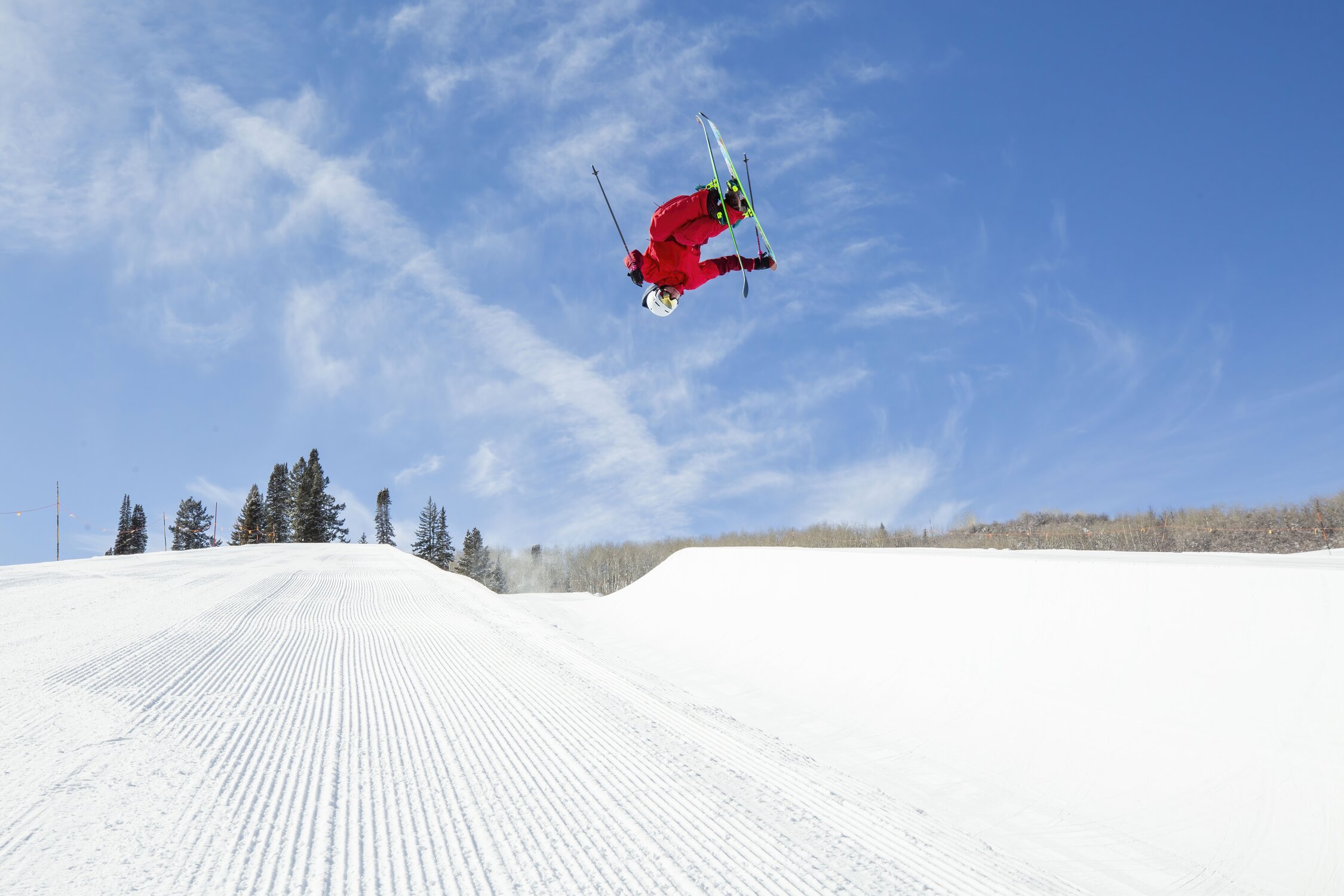
NEDERLAND, Colo. — A cluster of snowmaking guns hurled plumes of fresh flurries airborne at Eldora Mountain ski area.
Each gun sent a mist of water into the sky. The droplets froze, turning to snow as they fell.
“If you look across the valley, there's absolutely no snow on any of these hills. It's kind of sad to see,” said snowmaker Tristan Cote, standing at the top of La Belle ski run. “You wouldn't be skiing if it wasn't for snowmaking this year anyway.”
This season’s lack of snow has put extra pressure on Colorado resorts. Vail Resorts CEO, Rob Katz, told investors it’s one of the worst starts to a season in 30 years. Just 11% of available Vail-owned terrain was open to skiers in December.
As climate change threatens to shorten ski seasons by more than 50% by 2050, ski areas are increasingly reliant on machine-made snow. Experts estimate that 95% of ski resorts globally already rely on snowmaking.
But making snow requires millions of gallons of water, vast amounts of electricity and workers willing to brave frigid conditions, often working graveyard shifts.
Eldora began making snow in the late-1960s under the guidance of Tell Ertl, a mining engineer who bought the ski area in 1967. Thanks to its sometimes lackluster snow, locals referred to the mountain as “El Rocko.”
Ertl sought to transform the resort. He acquired water rights, bought Eldora’s first snowmaking guns and used explosives to blow up tree stumps that might protrude from a shallow snowpack.
To this day, Eldora receives less snow than other ski areas west of the Continental Divide, like Winter Park, Steamboat and Vail.
“It’s the best East Coast skiing west of the Mississippi,” said Jim Martin, who grew up skiing at Eldora.
Today, the mountain’s snowmaking system covers more than 95% of skiable terrain.
When conditions are right, teams of six to eight work rotating 12-hour shifts around the clock. Entry-level snowmakers earn $22 an hour during the seasonal position.
Computer engineer-turned-snowmaker Clayton Skaggs said he was attracted to the camaraderie that forms among team members after a season of working in wet, windy and loud conditions.
“I've worked a lot of jobs in my life where people are just putting in their time. People don't do that with snowmaking,” Skaggs said.
Larger resorts have increasingly turned to automated systems that workers can operate remotely. But these systems often produce large piles of snow that workers call “whales.” Snow cats must plow the piles to create a skiable surface, a process workers at Eldora said can compact snow and create a worse skiing experience.
Automated systems are also expensive.
“The total investment would be exorbitant for a small resort,” said Derek Holden, who oversees the resort’s snowmaking operation.
Instead, snowmakers at Eldora perform hourly “gun runs,” where they inspect the quality of snow, check for kinks in the hoses and dig out equipment.
“As long as the water is moving, then it's not freezing. That's always our biggest concern,” Skaggs said.
Power outages can be especially problematic. If pipes freeze, they can be nearly impossible to thaw.
According to one report, it takes 200,000 gallons of water to cover a single acre with a foot of snow. Eldora offers 680 acres of skiable terrain.
Eldora draws between 95 million to 110 million gallons of water per year for its snowmaking operation. In 2024, the resort initiated a request with state water authorities to construct additional reservoir storage to increase its capacity for snowmaking. Holden declined to comment on the status of the request.
State estimates suggest that by 2050, resorts will need to increase water supplies by more than 50%.
Much of that water will trickle down as snowmelt into the same reservoirs it was pumped from, Holden said.
If granted additional water storage, the resort’s water rights would be newer than other water users. That means that in dry years, Eldora might not be able to access all of its water needed for snowmaking.
Bad snow usually means less revenue for ski areas, which can impact how much resorts are able to spend on snowmaking in future years.
In past years, Eldora’s parent company, Powdr, was able to avoid this pitfall since it owned other ski areas across the U.S. When one resort had a bad year, its other holdings acted as an insurance policy, said Skaggs. But when the town of Nederland takes over as the resort’s new owner, that safety net will no longer exist.
It still takes electricity to turn water into snow. Energy is used to pump water up the hill and generate compressed air needed to make snow.
One study from Austria determined that snowmaking requires 22,449 kWh of electricity per hectare. That’s roughly equal to the amount of energy used by two households over the course of a year.
Holden declined to comment on how much the resort's electric bill cost per month.
Despite the challenges this year has posed, Holden said he’s confident that by continually working to make the resort’s system more efficient, Eldora will be able to survive future warm years.
“The weather is getting less favorable for snowmaking, so we need to get more efficient to leverage those windows better or else there’s a future where a lot of ski resorts in Colorado are no longer operating,” Skaggs said. “We’re on the front lines of making sure Eldora’s not one of those.”
Based on facts, either observed and verified firsthand by the reporter, or reported and verified from knowledgeable sources. To read more about why you can trust the journalism of Rocky Mountain PBS, please visit our editorial standards and practices page.