Colorado Springs is returning to its roots — literally

COLORADO SPRINGS, Colo. — Alex Crochet is really stoked about plants — native plants, that is. Born and raised in Colorado Springs, the 29 year old’s arms are tattooed with detailed pictures of the city’s native species: fireweed, blue grama, hedgehog cactus and mariposa lily, to name a few.
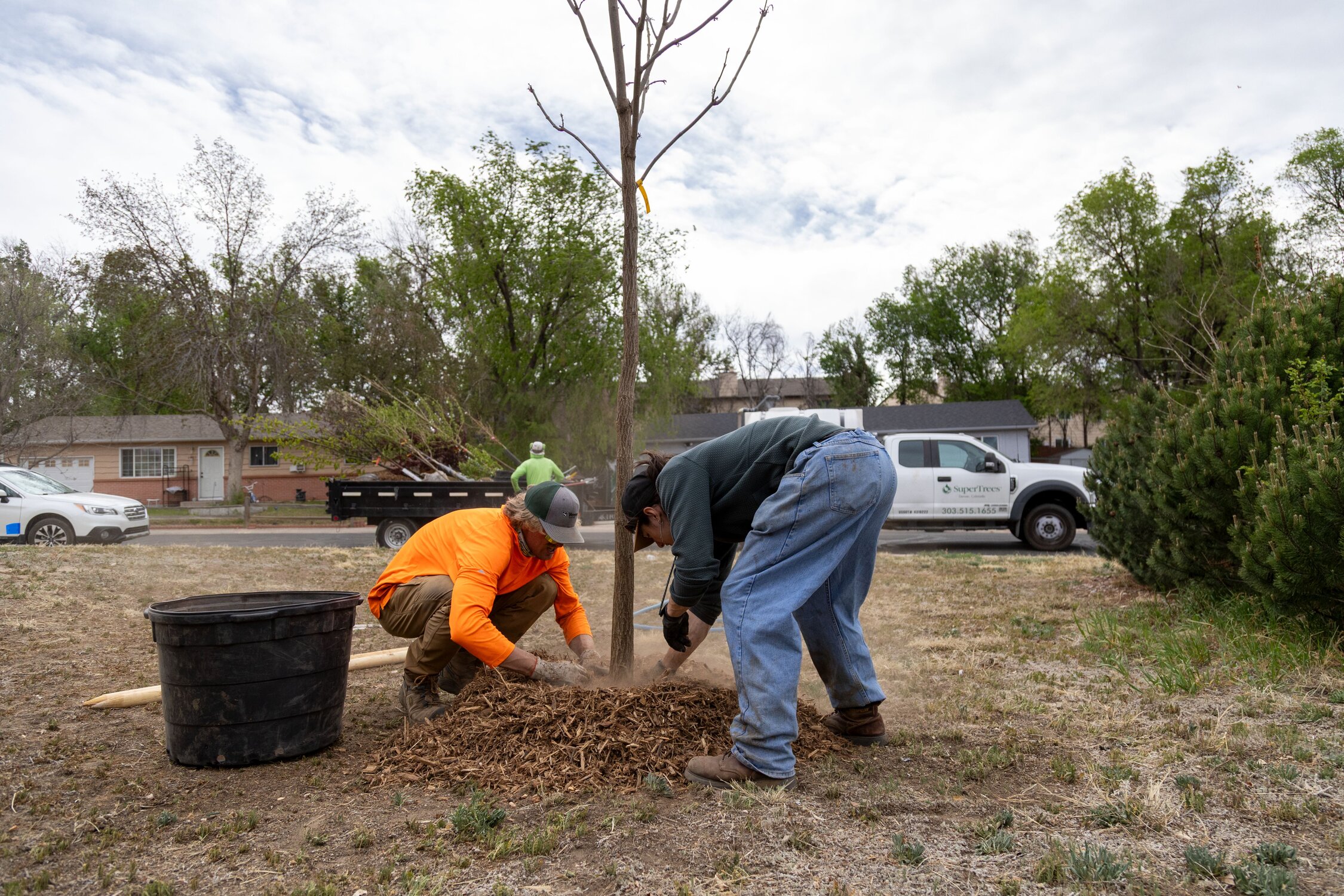
So when he stepped into the city horticulturist position for Colorado Springs Parks and Recreation nearly five years ago, he was just as stoked to make the city’s landscape reflect what naturally grows in the region.
“Everybody's pretty excited about it … the green industry has been excited to move in these directions,” Crochet said.
Crochet’s efforts are part of the city’s larger goal to conserve water on city-owned landscapes, which includes grass replacement projects. Since the grass conversion started in 2012, the city has converted 102 acres of its Kentucky Bluegrass to native grass species.
“It just makes sense,” said Kevin Wood, a senior maintenance technician for the city who has worked at the Colorado Springs Parks and Rec greenhouse since 2012.
When Crochet first started in 2021, the city’s greenhouse grew around 60,000 annuals but very few native plants. Annuals need more water than native plants and must be replaced every year. Native plants, while trickier to grow compared to typical horticulture methods, significantly reduce the amount of water and maintenance needed.
To grow native plants, Crochet stratifies the seeds, meaning he takes the seed, puts it in moistened sand, and refrigerates it to trick the plant into thinking they are going through winter. Today, most of the plants Crochet maintains in the city's greenhouse are native species.
But the city’s efforts to convert its Kentucky Bluegrass to native grasses, on the other hand, have been slower.
The city’s grass conversions started in 2012, but grass replacement projects are scheduled only when the city has funds to do so, said Scott Hunt, a water conservation specialist for Colorado Springs Parks and Rec. The city still maintains 913 acres of Kentucky Bluegrass. These spots were designated as “passive-use areas,” meaning they are not used for recreation and do not serve any other purpose.
Converting to native grasses ultimately saves money in water usage and maintenance, but the conversion process can be expensive because about two-thirds of the city’s park irrigation systems are 30 years old or older, and replacing irrigation systems could cost around $60,000 per acre, Hunt said.
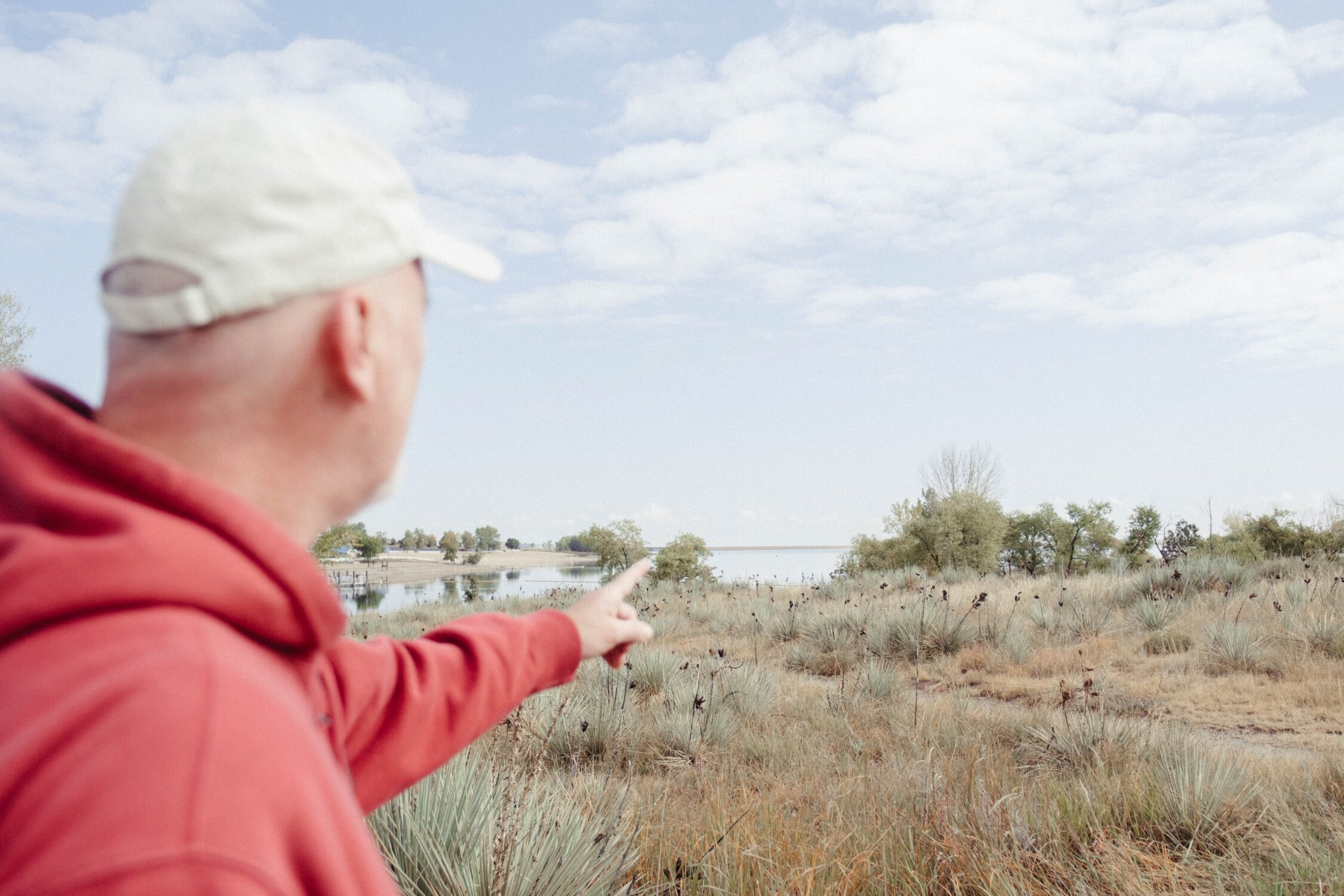
The city completed its latest grass conversion project last October at Duck Lake. “And then the geese came in and ate it,” Hunt said. “Jerks.”
Hunt will have to reseed much of the 1.8 acres this spring.
Despite the obstacles, Hunt said the grass conversion projects are paying off. Last year, the city saved $398,437 in total maintenance cost for the 102 acres of converted grass, according to the 2025 annual report Hunt put together. The conversion sites also saved nearly 40 million gallons of water in 2025 alone, according to the same report.
Wasson Park, Keller Park and Wildflower Park are some of the city’s other successful grass replacement projects. The city has also replaced Kentucky Bluegrass in medians that separate major roads and sidewalks.
Additionally, the city has replaced Kentucky Bluegrass with synthetic turf at sports fields to reduce water usage and to maintain quality for sports like soccer and football. However, Hunt said that Kentucky Bluegrass is not a bad option for sports fields because of its durability to withstand constant use.
Many residents across the state are also taking strides to reduce water use on their own property by replacing their Kentucky Bluegrass with native plants, trees and shrubs. In Colorado Springs, residents can visit Colorado Springs Utilities’ demonstration gardens for ideas on how to change their lawns with water-saving landscaping.
Hunt hopes to convert grass at Cottonwood Creek Park next, where a slope of Kentucky Bluegrass nearly eight acres in size sits as a passive use area.
“It's a major waste,” Hunt said. “But a lot of it comes down to budget and how much I can manage in a year.”
Based on facts, either observed and verified firsthand by the reporter, or reported and verified from knowledgeable sources. To read more about why you can trust the journalism of Rocky Mountain PBS, please visit our editorial standards and practices page.