Colorado Springs offers free wood chipping to residents

CSFD has been organizing community wood chipping for over 20 years as part of the city’s wildfire mitigation efforts.
“Mitigation doesn’t start at the property line,” said Andrew Notbohm, the director for the Pikes Peak Regional Office of Emergency Management, who was also involved in the fire department's early stages of the community chipping program around 2004.
“If you’re mitigating in your neighborhood, you need to be working with your neighbors,” he said.
The program started with a handful of HOAs that had concerns about wildfire risk and has since grown to over 140 neighborhood associations that CSFD partners with, Notbohm said. In order to qualify for the program, residents must attend a “Living with Wildfire” neighborhood meeting or have a one-on-one consultation with a mitigation specialist from CSFD.
The city encourages residents to trim extra vegetation in their lawns and stack them outside of their home during designated pick up times. This extra vegetation is known as “ladder fuels,” which allow wildfire to spread more rapidly.
The CSFD’s wildfire mitigation guide recommends residents remove the limbs on the bottom third of their trees or retain at least 70% of their trees’ canopies to reduce ladder fuel. (Retaining the majority of the tree canopy may sound counterintuitive, but Notbohm said good mitigation practices go hand-in-hand with good forestry practices.)
This year, the fire mitigation program is especially important.
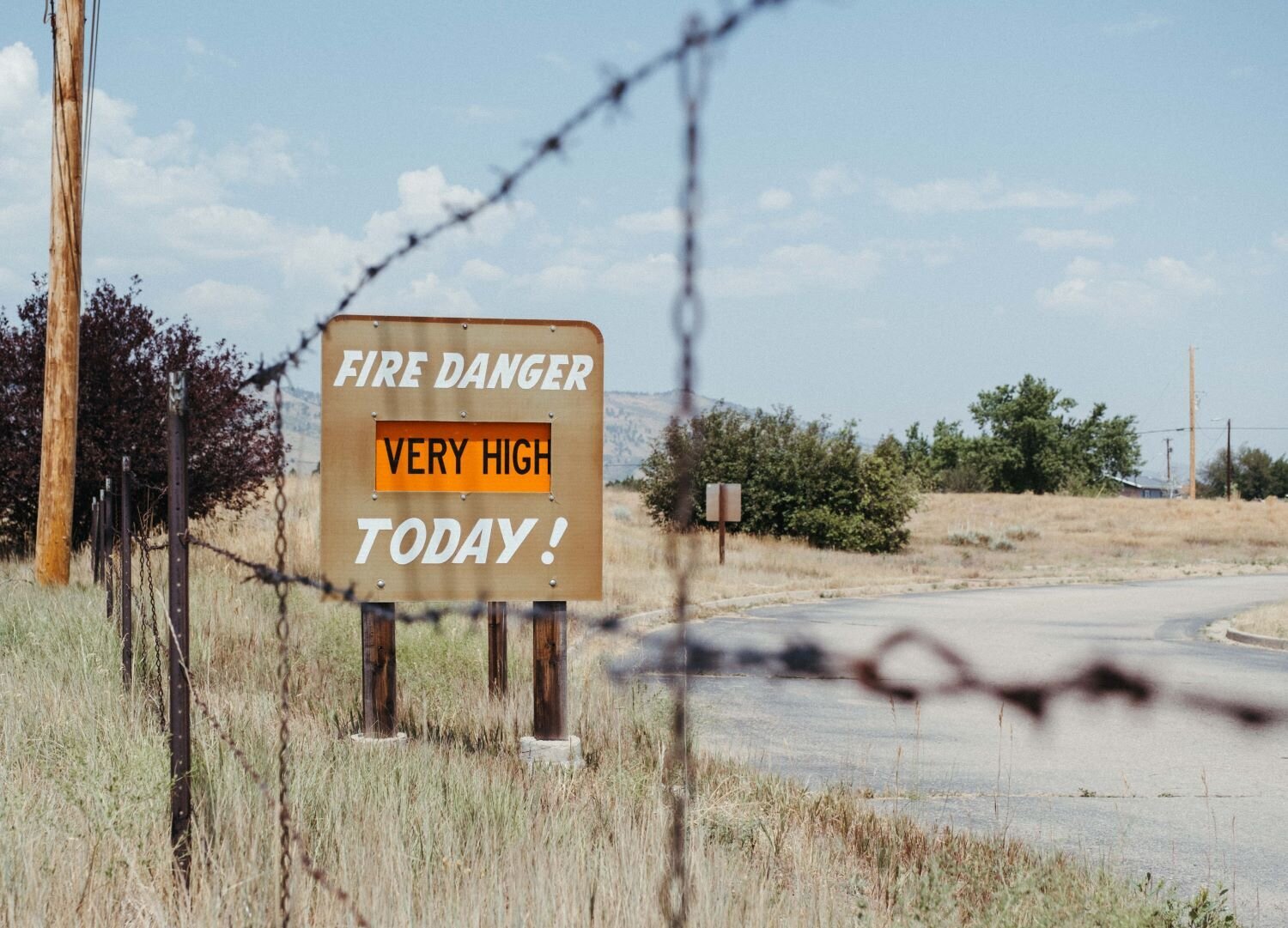
In the past 12 months, CSFD has responded to nearly 400 wildland, vegetation and brush fires. There have been more than 30 red flag warnings issued in Colorado Springs since the beginning of the month, according to a CSFD Facebook post.
“In a normal year, 30-40 are issued for the entire 12 months. Let that sink in for a second,” CSFD wrote in the post.
Colorado’s drought conditions are impacting the entire state, according to the U.S. Drought Monitor. As climate change makes extreme drought conditions more common, communities are at risk of more frequent and severe fires, said Christine Biermann, an associate professor of geography and environmental studies at University of Colorado Colorado Springs.
“This type of program is just becoming increasingly important in Colorado,” Biermann said. “It [wood chipping] could be a huge barrier to people who want to mitigate their fuel on their property, but … don’t have the knowledge of where to go or the resources to pay for it, because it’s not cheap.”
Notbohm said that wood chipping is important for residents to do because it will change how fire is going to behave, giving firefighters a better chance to protect homes.
“When you have resilient neighborhoods, you start to have a resilient community, and then you have a resilient city,” said Notbohm. “But it really does start at a lot level.”
The fire chipping program runs through September. Residents can register and find more information here.
Based on facts, either observed and verified firsthand by the reporter, or reported and verified from knowledgeable sources. To read more about why you can trust the journalism of Rocky Mountain PBS, please visit our editorial standards and practices page.