In Durango, older women envision a co-living future

DURANGO, Colo. — When Darcy Van Orden hit “post” in the Durango Connections Facebook group, she didn’t expect much. But the response surprised her.
In October, the 73-year-old shared an idea she had been turning over in her mind for more than a decade: a co-living community for women over 65, where they could live independently, support one another and avoid the isolation many face later in life. Within days, the post reached nearly 20,000 people, drawing close to 300 comments and more than 600 likes.
“It just blew up,” she said. “Everything was positive.”
The reaction was so strong that group administrators briefly removed the post to verify it wasn’t a scam. Once they confirmed Van Orden’s post was real, the moderators restored it and became some of its biggest supporters.
For Van Orden, the response confirmed something she already suspected: she wasn’t alone in wondering what comes next.
Van Orden has named her idea the “Grateful We’re Not Dead Project.” Right now, the idea is just that. There are no zoning applications or architectural drawings. At least not yet. In most cases, co-living communities are multigenerational, but there are about a dozen communities specifically for older people in the U.S. In Anacrotes, Washington, for example, nearly 50 older adults live together in a community called Skagit Commons, which combines private residences and common areas. Van Orden hopes to join those ranks.
Since October, Van Orden has built an email list of about 50 women. A smaller core attends Zoom meetings and researches similar communities. She is working with the Small Business Development Center of Colorado on a preliminary business plan. She identified one possible property, but the land costs more than $1 million.
Finding funding remains the largest challenge. “Ideally, an angel investor,” she said about her hopes for the future, “someone who believes in the idea, not just the return.”
Durango, like much of the country, is bracing for the “silver tsunami.” One-fifth of La Plata County’s population is over 65. Nationwide, about 10,000 Americans turn 65 each day, and by 2030, one in five will be older adults. But local housing and care options have not kept up with the pace.
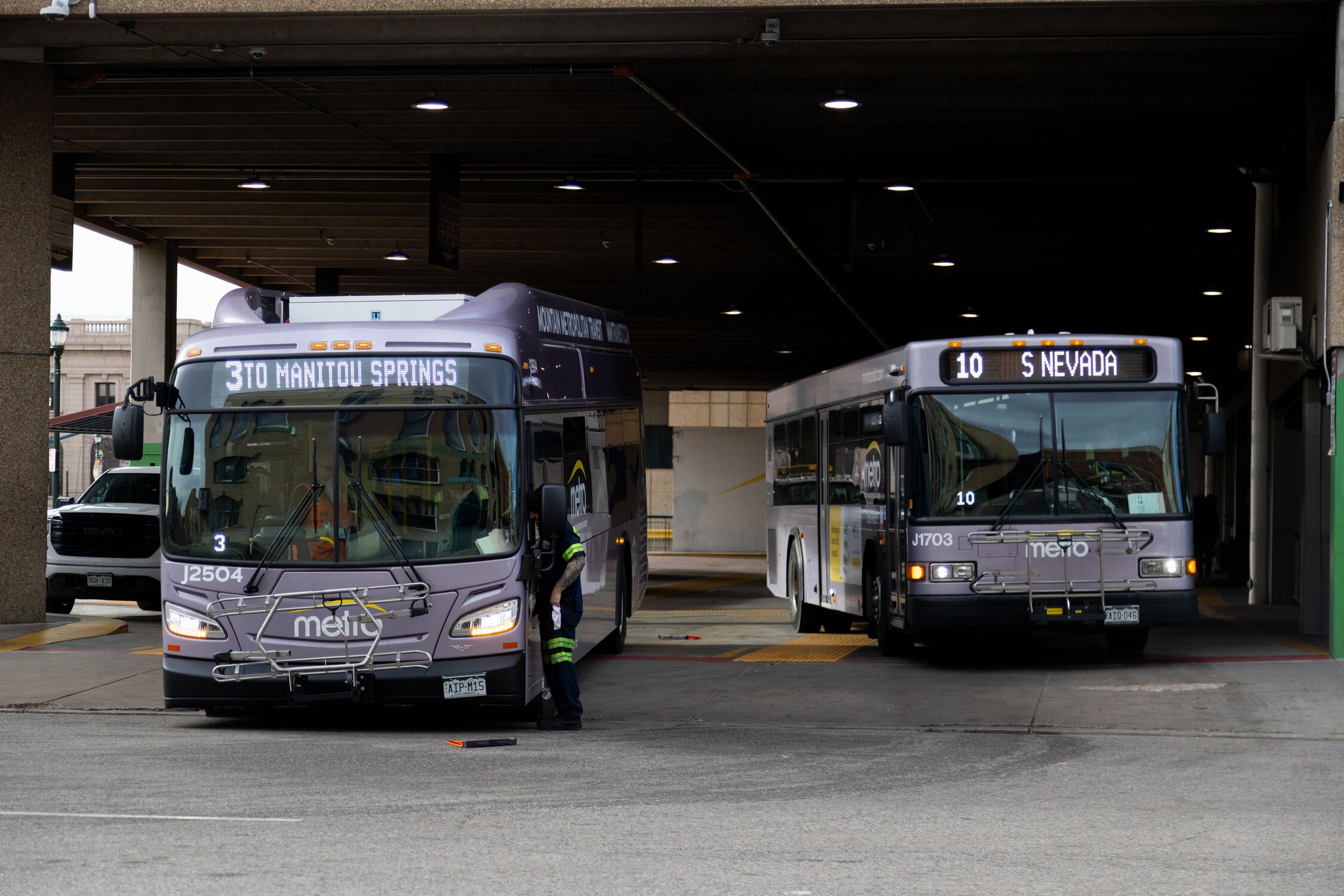
Assisted living facilities in the Durango area can cost more than $5,000 per month, and while Colorado’s Medicaid program offers a waiver that can help cover costs, there are eligibility requirements and some communities have wait lists. Medical specialists are limited, and older residents often travel hours away for basic procedures. Public transportation also remains inconsistent across the rural region.
One of the women who replied to the post was 71-year-old Deborah Winchell, a retired leadership educator and lifelong athlete who has visited Durango for years and plans to move here permanently after selling her home in Minnesota. Her son and his family already live in town.
“I am extremely, extremely lonely,” she said. “I don’t mind living alone, but it’s hard. And I don’t want to keep calling my family every time I need help moving a chair.”
Winchell cared for her mother until age 94, and that experience shapes her understanding of aging.
“Aging isn’t what people think,” she said. “It’s a progressive decline. None of us are going to escape it.”
She said she wants to age around women who understand that reality, women who can support one another emotionally and practically.
“I would love to have the support of people in the same boat as opposed to my children,” she said.
When she first heard Van Orden describe the co-living idea, she felt an immediate connection. “I thought, ‘I’m your girl.’ This is exactly what I’ve been wishing I could find.”
Winchell offered to help by writing grants and using her leadership background to assist with group dynamics. Still, she knows the timeline is uncertain.
“I think it could happen,” she said. “I’m just not sure it will happen in my timeline.”
Across town, 72-year-old Pamela Bormuth had a similar reaction. Bormuth spent 25 years as a caregiver, managing peoples’ medical care, finances and daily life. She lives alone in a tiny home community in Hermosa.
“I don’t have any children,” she said. “So friends are very important.”
A car breakdown once left her stranded, and the taxi ride into Durango cost $75. Transportation, she said, remains one of the biggest challenges for elders living outside city limits.
“Ughhh,” Bormuth groaned when mentioning nursing homes. “Nursing homes are places people go to die.”
Bormuth joined the first Zoom meeting after Van Orden’s post and offered to help look for land. “It’s just a light bulb so far,” she said. “No land, not enough people, nothing set. But yes, it can be done.”
Van Orden imagines three housing types on shared land: tiny homes, single-story cottages and what she calls “the Hacienda,” a communal building with small private units around a courtyard.
“There’d be a shared kitchen, a movie room, little classrooms,” she said. “It’s about being together, but not being in each other’s faces.”
Whether the idea comes true or remains a dream shared among strangers, the need behind it is clear.
“Women today don’t necessarily want to just play bingo,” said Van Orden. “We want to be creative. We want to keep learning.”
Based on facts, either observed and verified firsthand by the reporter, or reported and verified from knowledgeable sources. To read more about why you can trust the journalism of Rocky Mountain PBS, please visit our editorial standards and practices page.