Q&A: Part of a progressive wave, Gianina Horton talks revitalization in the ‘heart of Aurora’

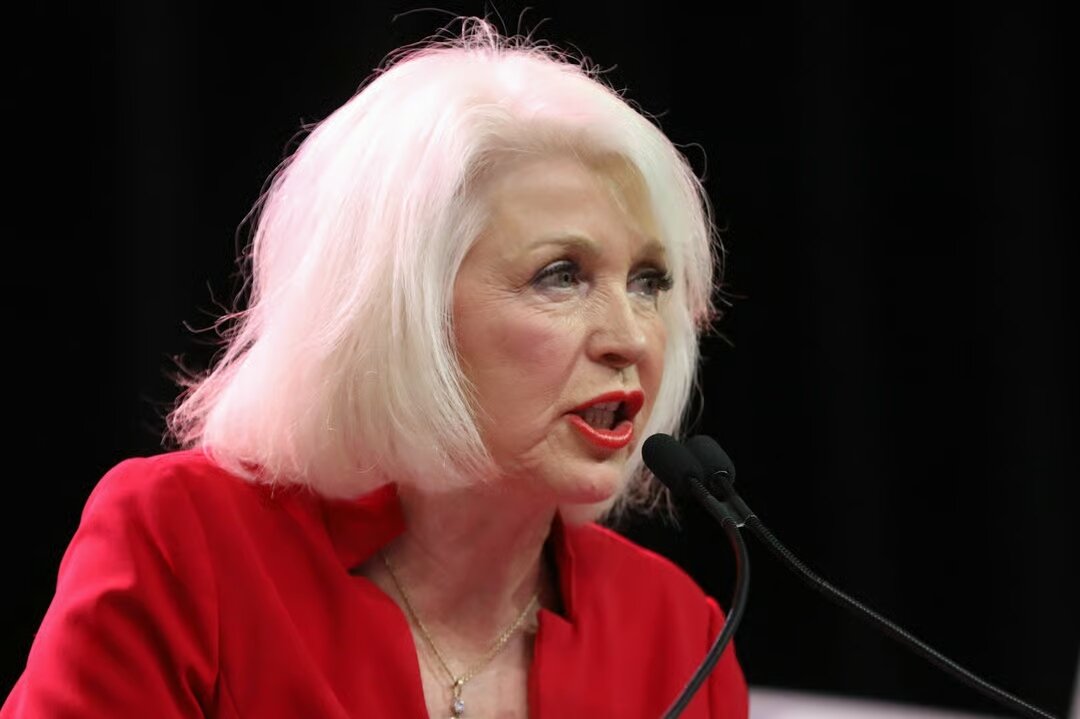
AURORA, Colo. — In November of last year, residents voted in Gianina Horton as the Ward I City Council member during Aurora’s municipal election.
Aurora’s races are technically nonpartisan, but Horton, who received more than 60% of the votes, was part of a group of four new progressive candidates who shifted the balance of the city council, which had a conservative majority for several years.
Horton’s campaign platform focused on public safety and police accountability, affordable housing and immigration. A fifth-generation Coloradan, she has lived in Aurora with her brother since 2021. She works as the reducing racial and ethnic disparities coordinator in the State of Colorado’s Office of Adult and Juvenile Justice Assistance.
Horton’s term in Ward I started in December of 2025 and will continue until 2029.
Ward I is home to Northwest Aurora, once a blooming downtown and a thoroughfare for the City. Today, the area is home to around 69,000 people and is one of the most diverse communities in the state, but has struggled in recent years with homelessness, rising rent and crime.
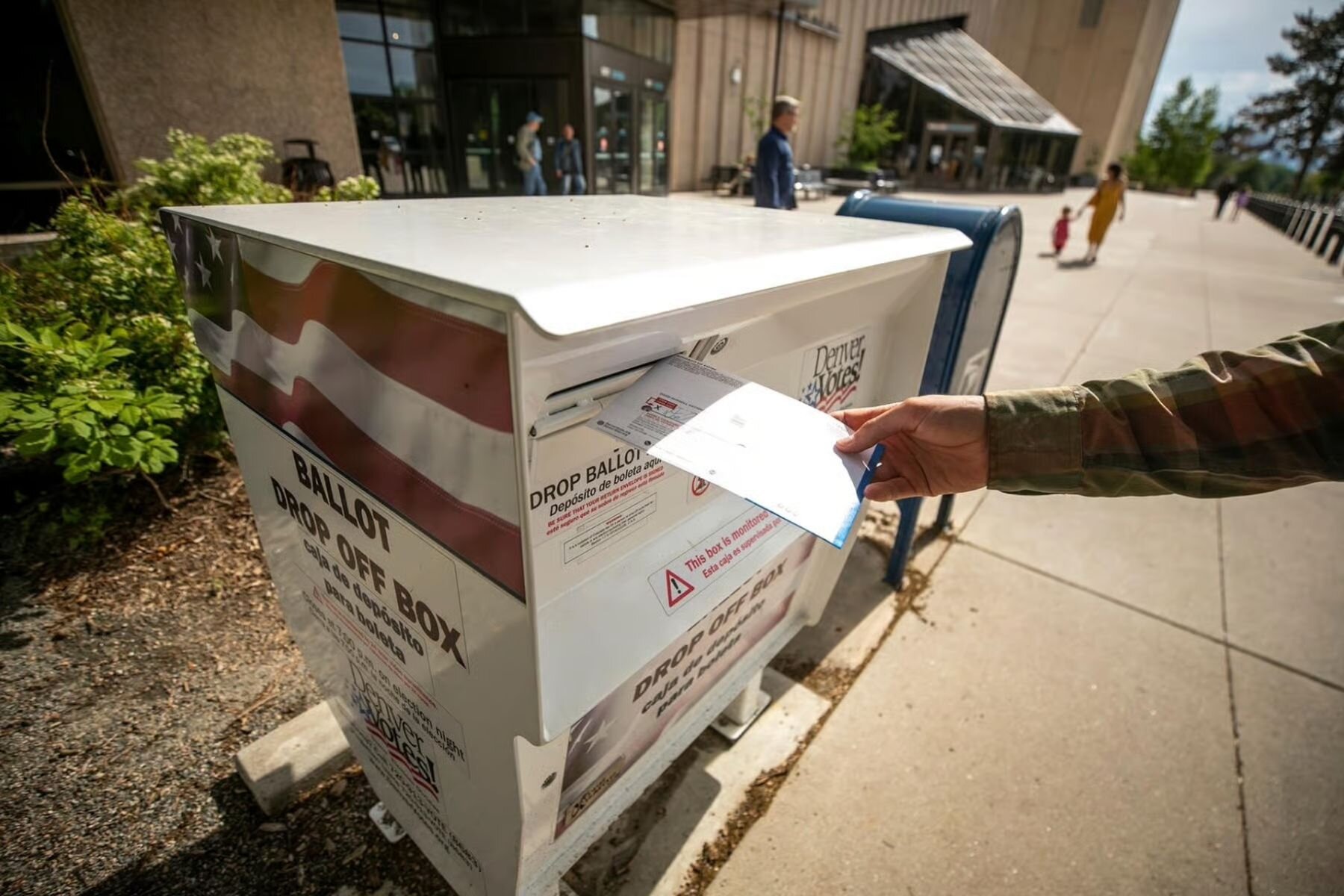
In the last year, the city has worked on a revitalization plan that ended up on ballots in November. Working with PUMA — an economic development and planning firm — the City decided that a Downtown Development Authority (DDA) would best support residents and businesses around the Colfax Avenue corridor.
The DDA is a geographical district that will use tax-incremental financing to support local businesses, street infrastructure and housing development in the area.
Out of the issued 1,482 ballots in the area, 141 people voted in favor of the DDA, while 29 people voted no.
Rocky Mountain PBS sat down with Horton at Ollin Cafetzin, a new coffee shop in the DDA area, to talk about her new role in Aurora’s original downtown.
This conversation has been edited for length and clarity.
Rocky Mountain PBS: Since moving here in 2021, what have you seen changed about the area?
Gianina Horton: I very quickly saw how neglected this area has been – from a revitalization standpoint.
As I became more involved in Ward I and community work, I started to understand the political dynamics of the Aurora City Council at the time. The exciting conversations for the city council were about growth and expansion out east and down south, and that’s really contributed to the neglect of Northwest Aurora.
RMPBS: In November, people in the area voted on the DDA as a way to revitalize this part of the city — what are your thoughts on that?
GH: I think the DDA could really revitalize the area. However, I am very conscious of the fact that between the DDA and the incoming development of the Bus Rapid Transit (BRT), it could be a recipe for gentrification. That is not what I want to see happen, and that's what so many other community members also do not want.
For me, it's about intentionally building [a board] that will make such pivotal decisions about this area for generations to come, and to do it diversely, inclusively, with equity in mind, and with current residents at the forefront leading those conversations.
I served on the group to get the DDA passed, which was maybe not the smartest thing when running a campaign because I was constantly like, “Where's the time?”, but somebody else in the group created the tagline, “Our downtown, Our way.” I absolutely love that because in those four words, it really encapsulates that we don't need to be another Denver. We don't need to be a Business Improvement District like the one on Havana. We could be uniquely ourselves, and we get to define that.
RMPBS: Out of the 1,500 ballots that went out, fewer than 200 people responded. Can you speak at all to why the turnout rate was so low for this question about DDAs?
GH: So, there wasn't a whole lot of time to get the DDA passed. If there's one thing I remember about being in those rooms with folks who were organizing around the DDA, it was just the short amount of time. Mid-September was when the campaigning started.
So, in this new year, when this DDA is formed, I would like to be very intentional with engagement.
I've worked in community outreach for a bulk of my career and one of the values that I’ve really benefited from in my professional spaces is that you go to where the community is, right? You don't expect them to come to you.
Maybe that means a tour up and down Colfax, where the boundary is, so that board members are going into the businesses, saying that this project is happening. Can you participate? Can you help inform the direction of this work? I would love to see that intentional outreach for folks who live, work and own property in the area, in order for them to have a say in the vision and the work of the DDA.
RMPBS: You also mentioned the risk of gentrification. In our reporting, that’s been a huge issue at the forefront of many people’s minds. What are some steps to develop and improve the area while not displacing folks?
GH: I hope that with intentional structuring — forming a coalition of folks informing and identifying when gentrification starts — there could be some creative means to address it. Like, for example, when I was campaigning, I talked to a few businesses on Colfax and a lot of them said how developers were already approaching them, trying to buy space, right? So it is starting, it is happening.
Creating a board that can mitigate the harms of gentrification is going to be very key. We need diverse voices surveying on the DDA. Sure, there's gender, racial, sexual orientation and that makeup of diversity, but it also means property owners, business owners, homeowners and renters.
There's also a lot of opportunity to understand [history]. What has been done in this area in the past? What has worked? What hasn't worked? It's going to take a lot of strong facilitation and strong consensus-building
A great goal would be to continually invest in small businesses that already exist on the Colfax Corridor. Helping with infrastructure, helping them think about expansion, and helping them identify support. We should, as a city, invest in families and neighbors, and folks who want to start here, right, so that we don’t have huge corporations that make all the money.
A healthy economy and revitalization mean supporting these existing businesses or those who want to come and start their small businesses in the area.
RMPBS: Why Northwest Aurora? Why did you want to run for office here?
GH: Because Ward I is the best one! Gosh, I mean, just around the corner here, there’s an African market. Down the street, you have a bunch of mercados, right? You can find such richness here. There are so many non-profits and small businesses. To me, [Ward I] truly is the heart of Aurora. It's the original Aurora. While I was running, I said that Ward I needs someone — whether it was me or not — who was going to fight for this area.
RMPBS: Last question, what is your favorite spot to eat at in Aurora?
GH: Oh my gosh, I would have to say my favorite spot — and it’s not in Ward I — is Katsu Ramen. That is one of my all-time favorites; however, there’s Antojitos Salvadoreños Anita near me that sells amazing pupusas.
An interview to provide a single perspective, edited for clarity and obvious falsehoods. To read more about why you can trust the journalism of Rocky Mountain PBS, please visit our editorial standards and practices page.