A La Junta science fair turned 30. Meet the student scientists.

LA JUNTA, Colo. — The Rizzuto Banquet Hall at Otero College buzzed with conversations between K-12 students and judges at the 30th annual Arkansas Regional Science Fair Feb. 20. Students' ideas splashed across tri-fold poster boards with their hypotheses, research methods, data and conclusions hand-written in neat squares along the poster.
“I love it. Last year I got second place, so I'm going to try to get …a second, first or third this year,” said Carter Salzbrenner, a third-grader from La Junta. “I'm really trying. And it's good to be back here."
Salzbrenner’s project, titled “Sticky Sweet Science”, hypothesized that if he swirls honey in water, it will create a honeycomb shape. He said his hypothesis was correct and he learned that it didn’t matter what temperature the water was to produce this shape.
The Arkansas Regional Science Fair saw 45 student participants and 38 projects, a steady increase since COVID-19 wreaked havoc on the fair, organizers said. Prior to the pandemic, the science fair saw as many as 120 projects, said Warren McClure, the co-director of the fair.
The science fairs’ success — both in student participation and their project quality — came despite the mounting obstacles for science fairs in southern Colorado’s rural communities. Declining numbers of science teachers in rural school districts, difficulties finding adult sponsors and students’ waning interest in the sciences are just some of the barriers science fairs in the region face, said Julia Barta, science professor at Otero College and co-director of the science fair.
Sponsors are unpaid parents, teachers, or volunteers who help students with filing paperwork for the fair. They also ensure students use the scientific method for their project.
“The sponsors are the heart of bringing students on board and getting them interested in doing the science fair and making it something achievable for them,” Barta said. “They are the foundation of making our fair a success.”
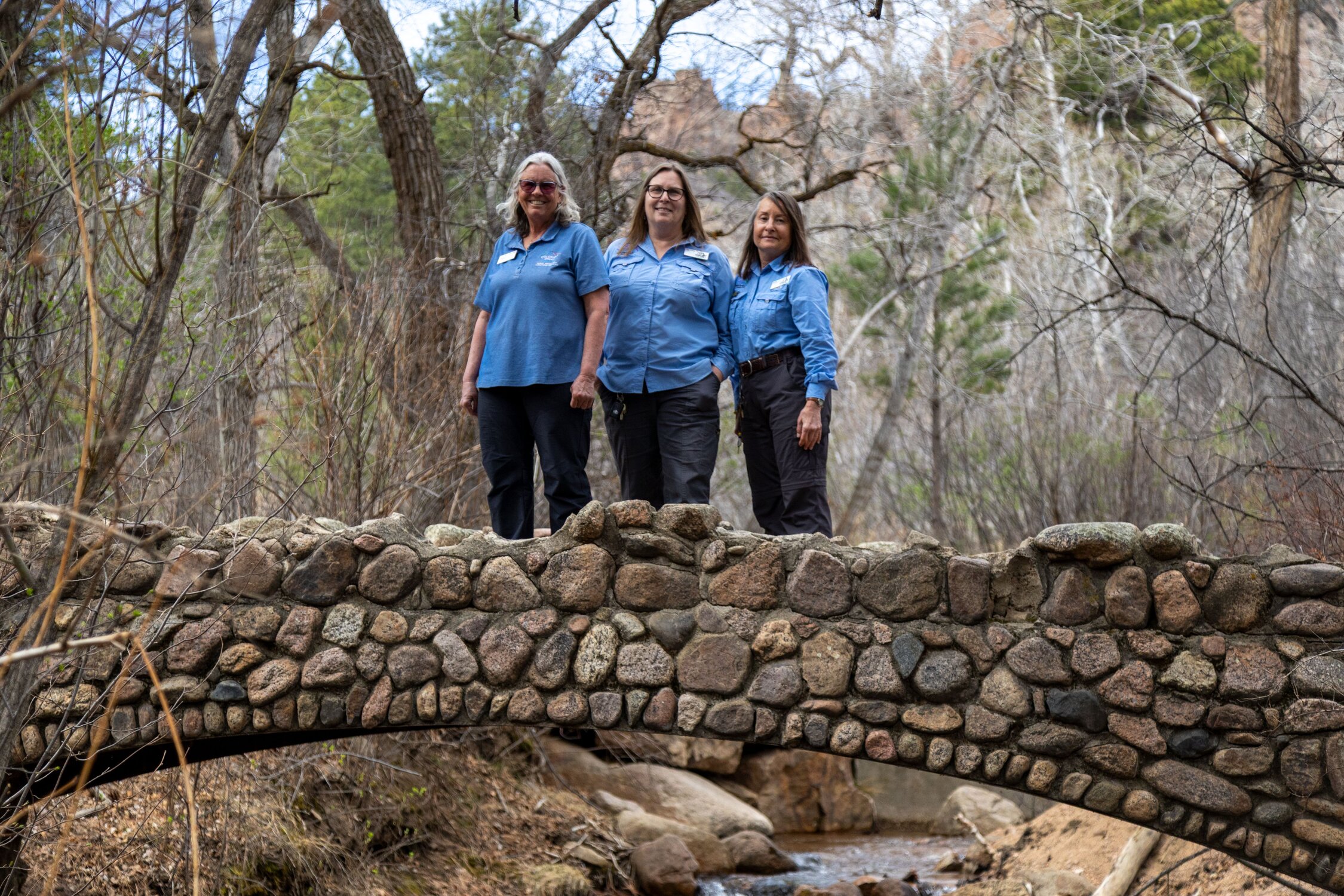
Sue Keefer and Steve Keefer, a husband-and-wife duo, volunteered to be judges in this year’s science fair. The Keefers also guided birding tours for Lamar’s Snow Goose Festival earlier this month and guided tarantula tours at last year’s Tarantula Festival in La Junta. Steve Keefer is a retired Colorado Parks and Wildlife district wildlife manager of 36 years where he worked as a biologist and peace officer. Sue Keefer is a retired librarian and journalist who expresses her interest in science on her blog where she posts her wildlife photography.
Steve Keefer said that he thought the quality of this year’s science fair was the best he’s ever seen.
Everett Ediger was another one of the judges. He placed first at the 2023 Arkansas Regional Science Fair. Ediger’s project — which he researched alongside Zoey Montoya — studied how soil qualities affect where tarantulas burrow.
Ediger and Montoya’s project went on to the Colorado State Science and Engineering Fair where they won second place in the animal behaviour science category. The project also went on to the Regeneron International Science and Engineering Fair — colloquially known as the International Science Fair.
“Science is especially important now… since a lot of science is kind of under attack,” Ediger said. “It's really cool to have kids who actually are interested [in science] before they even have a chance to do it as a profession.”
Rocky Mountain PBS attended the 30th annual Arkansas Regional Science Fair to meet with the students and hear about their projects.
Based on facts, either observed and verified firsthand by the reporter, or reported and verified from knowledgeable sources. To read more about why you can trust the journalism of Rocky Mountain PBS, please visit our editorial standards and practices page.