

Q&A: How outdoor recreation became a trillion-dollar industry
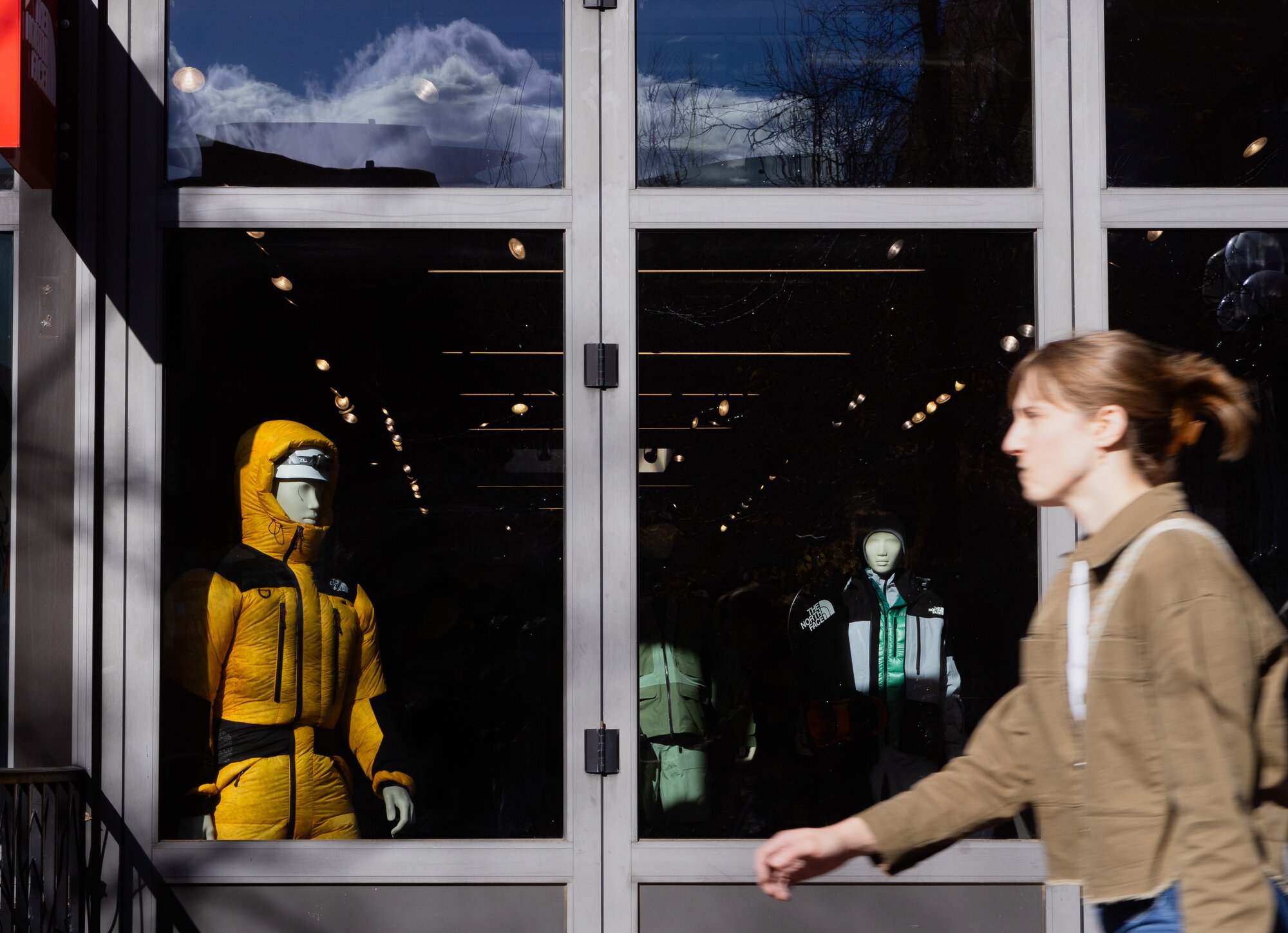
DENVER — Despite economic uncertainty, inflation and tariffs, The National Retail Federation expects Americans to spend more than $1 trillion this holiday season. That’s 4 percent more than last year.
For many Coloradans, that spending might include purchases on outdoor gear and apparel. The outdoor industry generated $1.2 trillion in 2023.
I spoke with historian Rachel Gross, author of “Shopping All the Way to the Woods: How the Outdoor Industry Sold Nature to America,” to learn about how the outdoor industry transformed from a sparse network of boutique retailers to an engine for consumer spending.
The following conversation has been edited for length and clarity.
Rocky Mountain PBS: What was it about the outdoor gear that piqued your interest as a historian?
Rachel Gross: It actually wasn't me as a historian. It was me as an outdoor enthusiast.
From a really young age, I had this romantic notion of the mountains, specifically the Sierra Nevada near where I grew up, as being this place of renewal and a place of authenticity, where I could go to truly become myself.
And so I sought out all these experiences to try and access that version of me out in the woods. When I was traveling on this fellowship called the Watson, with a project called Mountain Hut Systems and the Meaning of Wilderness, I went hut-to-hut hiking for a year by myself, and I needed a whole bunch of gear in order to stay safe and warm and dry.
And all along the way, I got comments from people who said you have the wrong stuff. Now, they didn't always say it quite so directly, but it's what they meant. And some of that commentary was really a condescending approach to a young woman who was by herself, but a lot of it reflected ideas about the right way to equip for the outdoors that differed from country to country, based on different nations’ understandings of just what this wildness was and how people ought to access it.
And so I had brought with me all these assumptions from my guidebooks of, here's the right way to pack your bag, here's what should go in the bag. And I realized that those expectations were actually products of the cultural world that I was a part of, not universal truths.
My research project and this book was born out of that moment, recognizing that what I thought was the right way to pack my stuff, the right way to get back to nature was really just one among many ways.
And I wanted to understand more about where all these rules that I thought were so strict and serious came from.
RMPBS: You touch on authenticity throughout the book, this idea that you have to buy the right gear to establish your own credibility.
Take me back to the end of the 19th-century when outdoor recreation was beginning to flourish. Who were the people who were going outside to recreate, and what were the ways that they were trying to establish their own authenticity?
RG: Outdoor recreation was absolutely an elite activity in the late 19th-century. That was because the woods out there were far away, which means that it was hard to get to. There were no private vehicles that could take people there, so it required a means of transportation that was usually expensive and not accessible to all. It also was hard to come by days off of work.
Outdoor recreation, in the early days, supported this notion that getting back to nature authentically meant not buying anything, essentially, taking the woodcraft ethic of equipping yourself, using nature as a storehouse, or making everything that you needed in order to survive — using your own hands to chop down a tree to help build your campfire, collect tree branches to make yourself a bed, things like that.
The fascinating thing to me about this era, though, is that despite the fact that the male guidebook authors of the late 19th-century espouse this woodcraft notion…they absolutely purchased items from stores in order to be comfortable out in the woods.
The record really shows that even the most famous outdoorsmen from this time period —Teddy Roosevelt, rises to the top of the list for me — hired Native American women to do a lot of that labor for them.
So though he was one of the prominent espousers of the woodcraft ethic and rugged masculinity in the late 19th-century, he also didn't have the expertise to make a buckskin suit, the fringed deer high jacket that became an iconic part of his Western look, and so he hired somebody else to do it.
RMPBS: Why do you think [outdoor enthusiasts] were so willing to accept the apparent contradiction of replicating consumerist patterns, even though they were claiming to want to escape to nature and escape that consumerist cycle?
RG: I have a lot of sympathy for this kind of apparent contradiction, because I think it's one that I experience all the time. I have aspirations about the kind of person I want to be. And and then there's the reality of what skills or time that I have that falls somewhat short of that. So I understand the impulse to want to have the most real experience out in the woods and, and to not really have the capacity to see that through in the way that guidebooks recommend.
Not every person had the craft skill to be able to actually survive without bringing goods from a store shelf with them.
RMPBS: I think this notion of authenticity continues to play out to this day. In conversations about accessibility and the outdoors, gear often rises to the top, not just because it's expensive, but also because it's this signal of like, “how legit are you?” To me, this sentiment feels particularly vicious in the outdoors. Why do you think that’s the case?
RG: I actually don't think much of the boundary creating that you're describing is specific to the outdoor world, right?
I actually think this kind of creation of a group of people who really think that they know what's going on…is consistent across lots of different spaces.
And so one of the examples I like to think of is people who love fancy kitchen gadgets, another subset of gear…I think it's possible to presume that people who don't have the right kind of knife or garlic press are non-experts.
And so in that sense, I actually think part of what my book describes is that process of kind of creating a community, sometimes an exclusive one, or sometimes one that's quite broad, around purchases that people make.
In other words, how people buy stuff also helps them define who they are. And people welcome that, not just in outdoor recreation, but in all sorts of spaces.
RMPBS: That makes sense. Wherever there's gear, there's going to be people telling you what's right and wrong.
So after World War II, you describe this shift from mom-and-pop, specialty outdoor stores to a landscape that I think more closely resembles our current ecosystem of outdoor retail. Tell me about the partnerships that took place between entrepreneurs and the US military to lead to that transition?
RG: The US military at the outset of World War II had very little cold weather expertise. They hadn't updated their equipment and their clothing since World War I.
And so they turned to people who they knew were experts with this kind of product, namely, people who work in the outdoor industry, folks like L.L. Bean, Eddie Bauer, Harold Hirsch of Hirsch Weiss in Portland, Oregon to serve as civilian consultants to help guide the design and testing of clothing and equipment for the US military.
The things they came up with will look familiar to, modern eye of the 21st-century. Things like the field jacket, the loose kind of covering, army green jacket with waist ties and the large pockets on the chest as well as by the hips.
The partnership continued in the years after the war. And a lot of the military standards went on to shape how outdoor industry representatives would test or label their equipment and clothing.
The ratings that we now have for sleeping bag warmth, for instance, come out of this era of testing.
RMPBS: I was interested in this trend of DIY gear that was popular in the 1970s, why did that fall out of fashion.
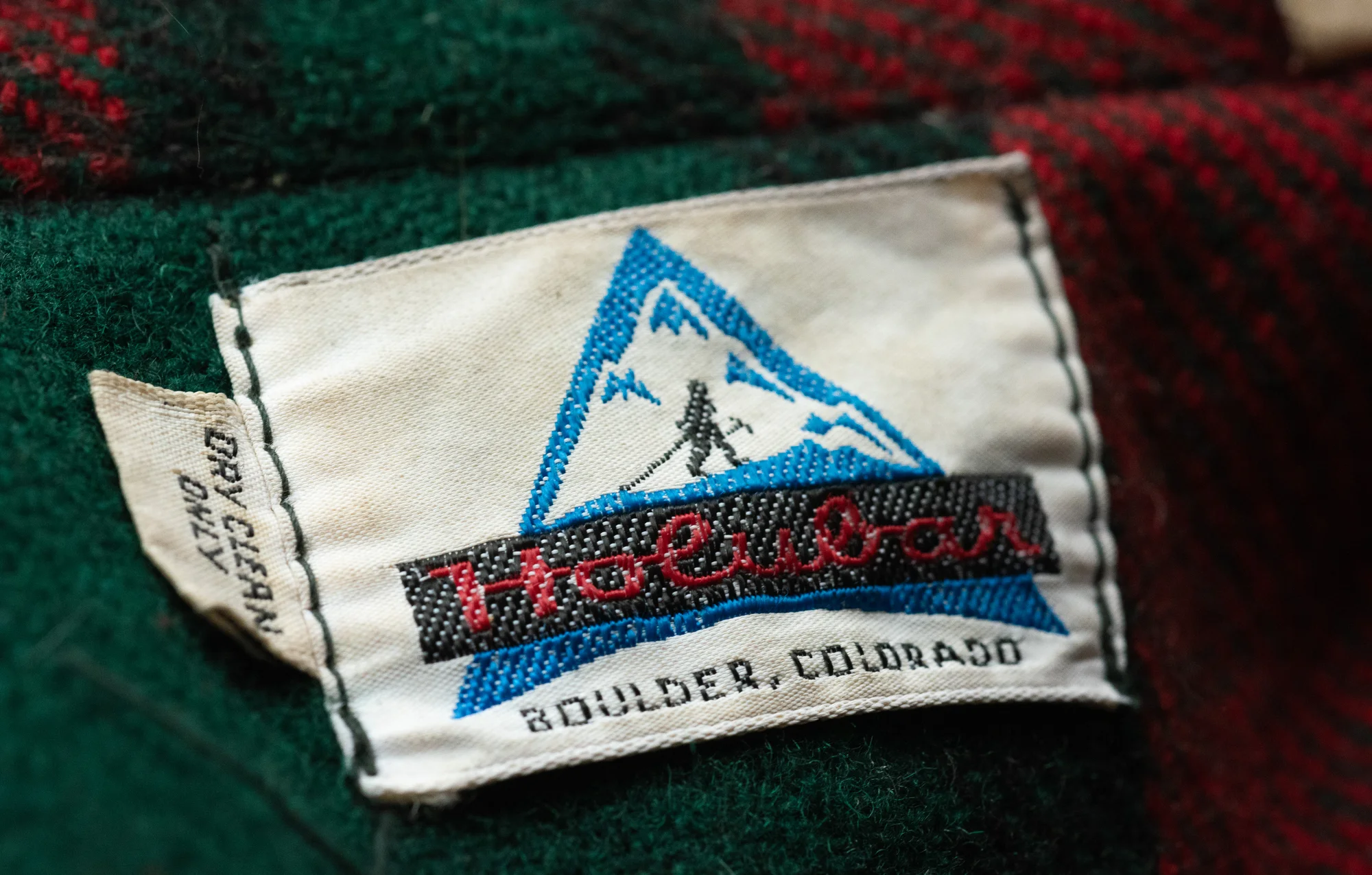
RG: I think there are tons of reasons. One is a really important economic one, which is that as U.S. manufacturers started moving overseas, especially to Asia, it no longer was cheaper to buy a kit [to sew yourself], than to buy something readymade off the shelf.
Another reason has to do with the fact that women no longer were interested in sewing, spending their free time sewing. I think one of the accounts and backpackers talked about doing a jacket activity over the course of a long weekend, which seems to be pretty speedy and well worth it. But others complained in their reports about Frostline kits that it took them nearly 200 hours to not very skillfully complete one of these kits. These kits were not for everyone, right?
And then finally, I think the decline of DIY kits has everything to do with the rise of high tech synthetics and other kinds of performance technologies that reshaped Americans' understanding of what it meant to be safe outdoors.
Within a decade, a lot of people who would have happily purchased a Frostline mountain parka kit and then sewed it themselves started to look really differently at the same product because they thought, do I really trust myself to sew something and then stay safe at the top of a mountain peak? It seemed that, having factory-sealed seams rather than ones that you were putting together at home, would be far more reliable and technologically sound.
RMPBS: As someone who's tried to sew my own backpack, I completely understand that sentiment. You mentioned how a lot of this equipment was continuing to get more and more technologically savvy and specialized, jumping forward to today…how do we get to this place where specialized outdoor clothing is being worn in so many different daily contexts?
RG: Because I grew up in an era when branded outdoor jackets were just what you wore if you needed to stay warm, I didn't give that question too much thought when I first started this research.
But I started to recognize in the archives stories of people who talked about how outdoor wear was the opposite of fashion 100 years ago.
Today, people wear their outdoor logos quite proudly. They are pleased to look like they might be able to go climb a mountain, even if, just like with other forms of athleisure, they're only going to walk the dog or to a neighborhood barbecue.
Part of how outdoor clothing became a popular style goes back to the 1970s. It was college students who first started wearing heavy hiking boots, L.L.Bean plaid shirts, and other attire to their classes on college campuses.
And there was one more iteration of how outdoor clothing made it beyond the trails onto city sidewalks that I talk about in the book, and that is the hip hop style of the 1990s.
By the early 2000s, a lot of outdoor executives talked about the 80, 20 rule, the fact that 80% of the gear and clothing that they made was going to be used for some purpose, other than what they designed it for.
RMPBS: Your book upends many of these beliefs that consumers may hold about the gear that they buy. I'm curious, though, whether there is anything that you think the industry is doing nowadays that they can and should be particularly proud of?
RG: Absolutely.
One is the efforts to include a broad swath of Americans in both the marketing and the kind of the design of products to include a range of appearances and bodies and genders so that more people feel like the outdoor culture is also their culture, a place that they belong.
I also think the kind of efforts to address these manufacturers and retailers' role in global climate change is crucial.
I think the outdoor industry is rightfully a real leader when it comes to new approaches to sustainable design production and especially thinking about the kind of end-use of products.
An interview to provide a single perspective, edited for clarity and obvious falsehoods. To read more about why you can trust the journalism of Rocky Mountain PBS, please visit our editorial standards and practices page.