

Fort Lewis College student documents her Yupik heritage in new documentary
share
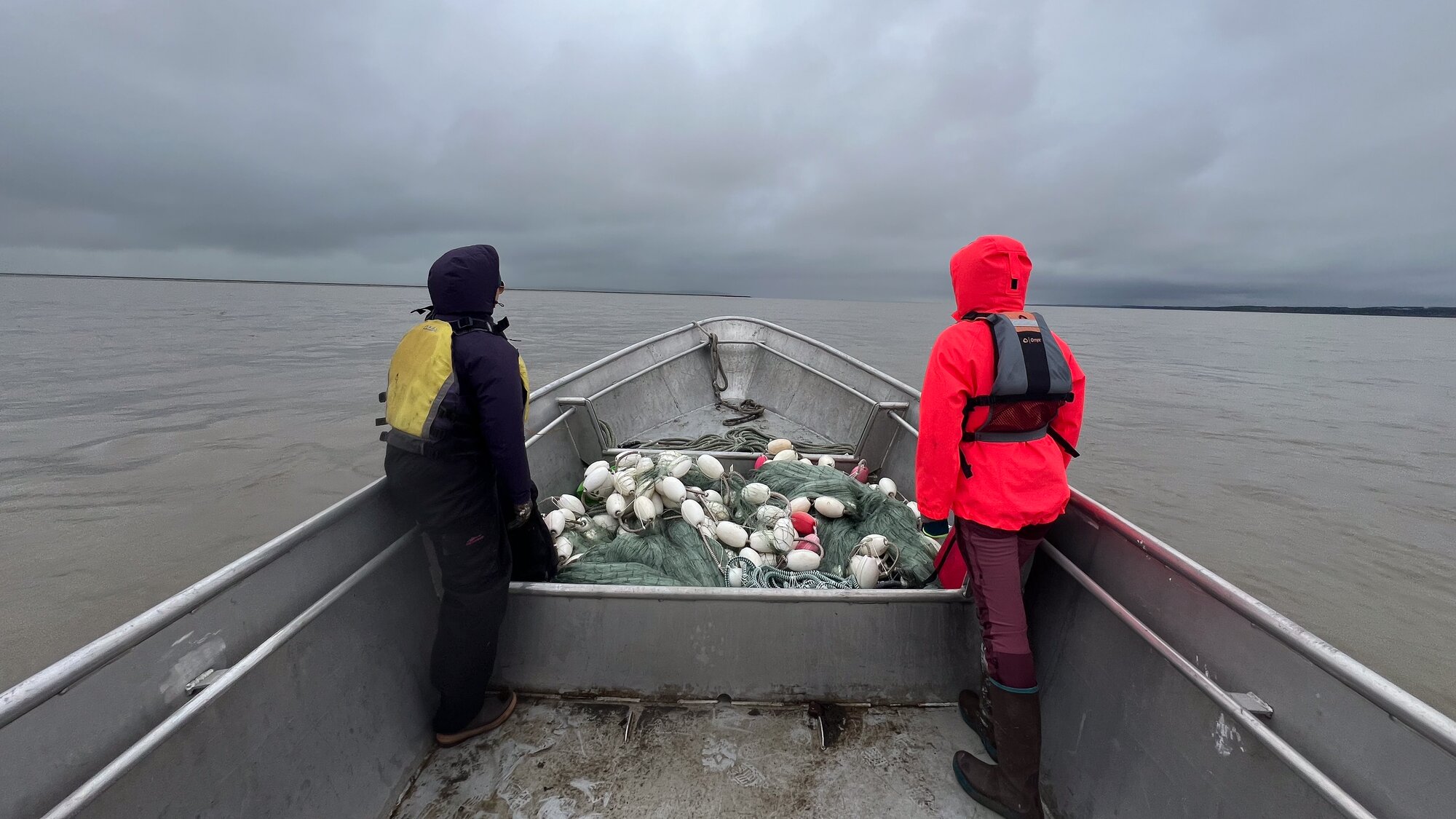
DURANGO, Colo. — Fort Lewis College hosted the third annual Tribal Water Media Fellowship Showcase Nov. 14. The event featured 10 multimedia projects created by FLC students on the topic of water in tribal nations.
Audrey Leonetti, a junior, produced a documentary called “The Water Speaks Yugtun.” The film discussed the relationship between water and her Yupik tribe, focusing on how the Yupik language sounds like water.
Leonetti is double-majoring in Environmental Conservation and Management and Native American Indigenous Studies. Originally from Anchorage, she came to FLC to be part of the college’s large Indigenous community.
Leonetti sat down with Rocky Mountain PBS to discuss how her life and studies led her to realize a connection between the Alaskan landscape and the voice of her heritage, leading to her first-ever documentary.
To view Leonetti's film and learn about other fellowship projects and opportunities, visit the Four Corners Water Center.
The following conversation has been edited for length and clarity.
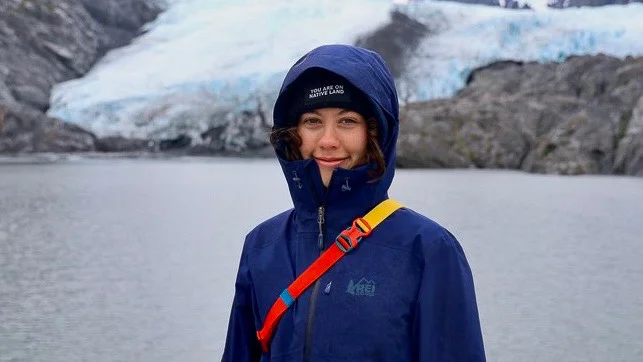
RMPBS: Can you tell us a bit about your connection to your Yupik heritage growing up in Anchorage?
Audrey Leonetti: I actually didn't grow up immersed in my culture very much. I went to predominantly white schools all the way through high school. I didn't really start reconnecting until my sophomore or junior year when I went to a culture camp. Once I was immersed for that week, I knew I needed more. Since then, I’ve kept finding ways to get involved, like serving as a counselor at the camp and going back to my family's village, Dillingham, to go fishing and spend time with family on the land.
RMPBS: What brought you to Fort Lewis College, and what drives your decision to double major in Environmental Conservation and Native American Indigenous Studies?
AL: All of my older cousins came here. I think I’m the fourth or fifth in my family to attend FLC. I was mainly drawn by the large Indigenous population and the strong community here.
Throughout high school, I began realizing how severely climate change was impacting communities in Alaska, especially Indigenous communities.
I chose these majors so that once I graduate, I can go home and find resources and assistance for communities facing these things, and hopefully put in preventative measures so that entire villages aren’t washed away.
RMPBS: The Tribal Water Media Fellowship focuses on water. Given the abundance of water back home in Alaska, did the theme immediately resonate with you?
AL: Before the fellowship, I hadn’t thought too deeply about how integral water is to literally everything. In Alaska, we are always just surrounded by it. I approached the fellowship from an environmental studies perspective, but through the program, I ended up learning so much more, not just about water in the Southwest, but also how essential it is back home.
RMPBS: Where did the idea for your documentary come from, the one about the Yupik language sounding like water?
AL: I was struggling for an idea for a while, and then I remembered something my uncle told me: that our language sounds like water. He gave one specific example: “teq'um” which means “to fall”. When you say it, it sounds like a rock falling in the water.
And I thought, "I wonder if there are more things?"
RMPBS: This was your first media project. What was the feeling you wanted to capture in the film?
AL: It’s hard to describe, honestly. It’s like a deep sense of belonging to a certain place, that connection to the land and to the water, where you just know that’s home. Also, just being in relation with the people, my family and relatives, that warm, fuzzy feeling you get when you're with people you love.
RMPBS: Was there a key shift in your perspective during the production?
AL: I think I started the project with a more analytical lens, focused on just documenting the language sounds. But being home and with family made me realize how important the human and community based aspect is. I noticed a shift once I had all my footage. It went from analytical, like, "What does our language sound like?" to "What does our language mean to you, and how does it relate to water?" It became more about the personal, human level.
RMPBS: What was your relationship with water like growing up, and how has the film deepened it?
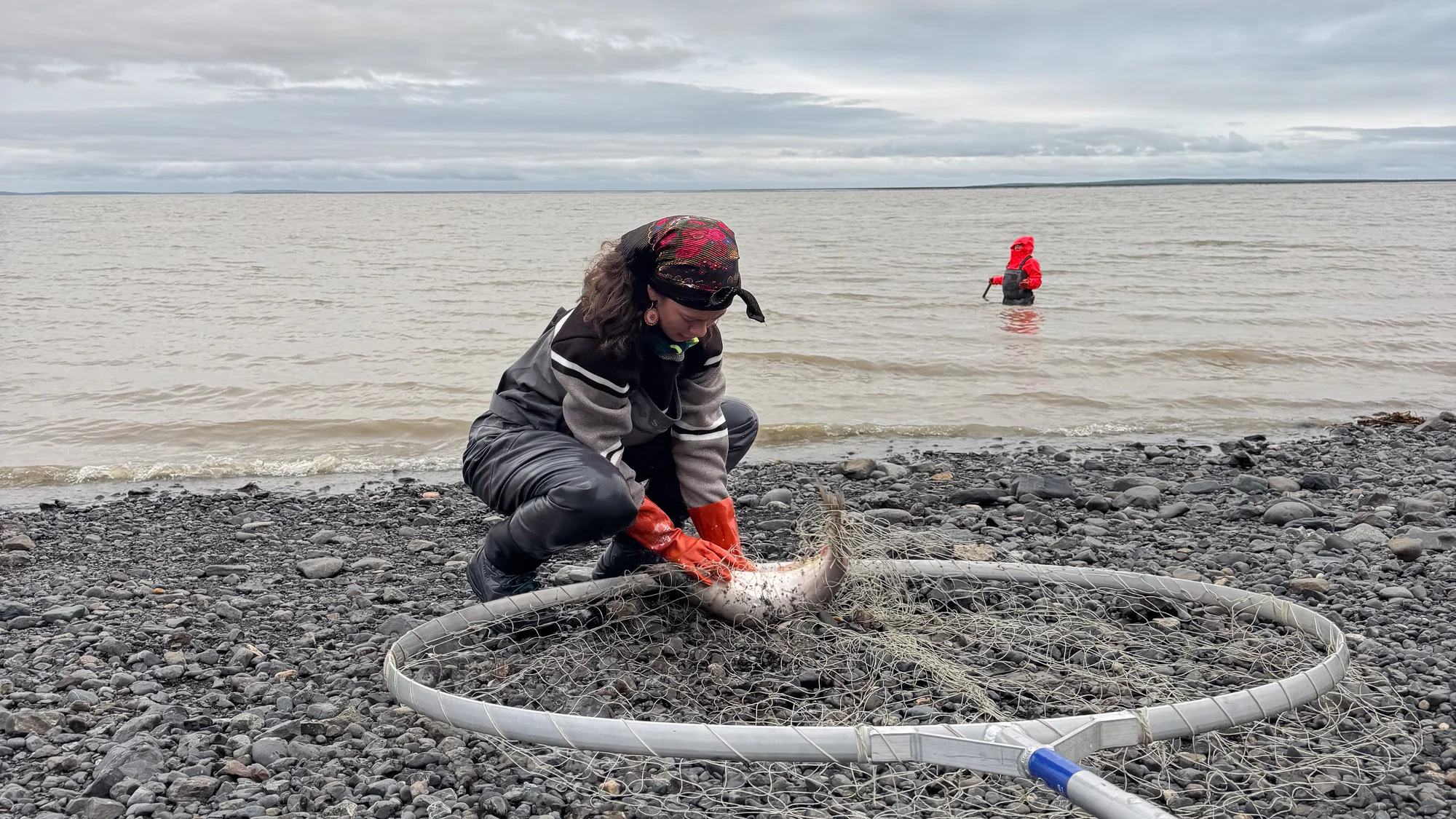
AL: We go swimming all the time in the summer, and I have a really strong connection with the ocean. It’s one of my favorite places to be. As Yupik people, our main source of food is salmon, so fishing is very integral to our culture. I recently started going fishing with my family again the last couple of years.
Before this documentary, I never really thought about how my language is connected to water, but now that I know that it is, it makes the connection much stronger. An elder also showed me how a specific sound imitates flowing water. Just knowing that our language is so deeply intertwined with the sounds of the water around us is pretty cool.
RMPBS: As an Alaskan, moving to the Southwest must have been a drastic shift. What was it like for you?
AL: It was definitely really hard my first year here. I’ve never lived more than a 15-minute drive from the ocean my whole life. I missed the ocean immediately. But moving down here has also given me more insight into how sacred and important water is. I miss the ocean every day, but I’m also excited to go home and see it again.
RMPBS: Finally, what is the main takeaway you hope your audience receives?
AL: Just to keep in mind that water is really important, and we have to protect and take care of it. Because if we don't, it will eventually lose its ability to take care of us.
Type of story: Q&A
An interview to provide a single perspective, edited for clarity and obvious falsehoods.
An interview to provide a single perspective, edited for clarity and obvious falsehoods.